
Week 14 brought some warmer weather again. Yay!!!!
There were so many wildlife highlights this week, but to give you a cheeky taste, they include:
🐝 Identifying a weird-looking wasp
🐥 Spying on some ospreys
🤓 Learning about the indestructible tardigrade
☀️ Lots of walks in the sunshine!
Read on to find out more 🦋
Monday 12th April 2021

I went for a little wander this afternoon and saw a really odd insect on a wooden post near a hedge. It had bright yellow markings like a wasp but I thought it looked a bit like a beetle as well. After a bit of research, I think it might be a wasp from the Ichneumon family.
From our Collins gem insects book, it looks like it could’ve been an Ichneumon suspiciosus but this online guide suggested an Ichneumon stramentor instead. The guide also says that there are over 2,500 different species of Ichneumon wasp in the UK. I think it’s fair to say that I had absolutely no idea that we had so many different kinds of wasp full stop. Let alone Ichneumon wasps!
Tuesday 13th April 2021


I enjoyed another freezing jog this morning. It was such a beautiful start to the day but was cold with a capital C! I headed out towards a tiny place called Tidmington. We go on quite a few walks here and I love looking out for the birds that frequent the trees, hedges and gardens on both sides of the narrow single-track road. We’ve seen woodpeckers and treecreepers on this stretch, along with lots of the usual suspects (blue tits, great tits, robins, goldfinches, chaffinches).
So I jogged all the way there and then walked for this bit so that I could take a few photos. I particularly liked seeing the cow and the sheep sharing a big field! Later on, I also enjoyed seeing a moorhen running along the pavement ahead of me on the way back to Shipston. He was nowhere near the river and ended up flying into someone’s garden – I think he might’ve been a bit lost!
Wednesday 14th April 2021

It was time for another little spy on some birds today. On this occasion, it was the Rutland Ospreys. I had a good look at the female(?) osprey sitting on the enormous nest and then had a little read about the birds. I hadn’t realised that ospreys were officially extinct as a breeding bird in England as long ago as 1847 after centuries of persecution.
In 1954, a natural recolonisation occurred in Scotland but it was predicted that it would take over 100 years before ospreys would breed in England again. Conservation projects reduced this time substantially and Rutland Water has seen 150 osprey chicks fledge since the project started in 1996. They are very impressive birds I have to say!
Thursday 15th April 2021

During a short break over lunch today, I went outside to water the plants in the garden. There are quite a few dandelions in the flowerbeds at the moment and it reminded me of something I read a few weeks ago about the importance of these ‘weeds’. I can’t remember where I read it, but a single dandelion supports a ridiculous number of bees every single day. I happened to read this a few days after I’d pulled some up out of the garden and felt very bad about it!
So I made sure these ones had a bit of water and left them alone. As well as good pollinators, I think dandelions are actually quite pretty. I wonder how we ended up seeing them as weeds…?
Friday 16th April 2021
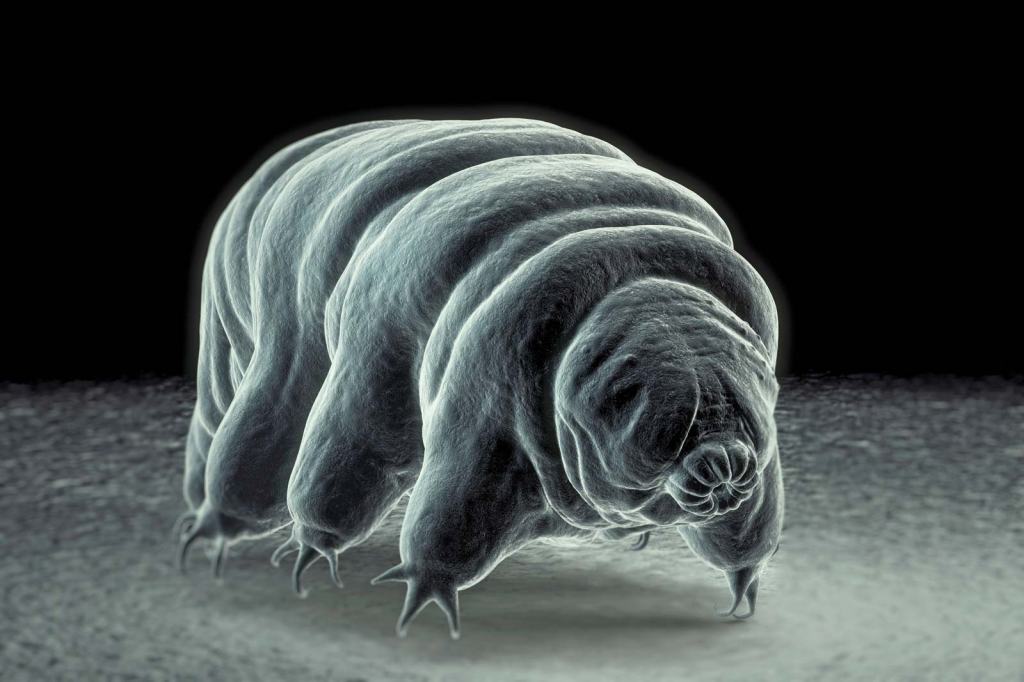
My colleague and I were trying to come up with some obscure words/things today for a bit of training we’re running next week. The thing I came up with is ‘tardigrade’. I remembered hearing about tardigrades in a podcast last year but I couldn’t for the life of me remember what they exactly were. So I listened to the podcast again (part of the 30 Animals that Made Us Smarter series).
Tardigrades are also known as ‘water bears’ or ‘moss piglets’ and, according to the podcast, these animals are pretty much indestructible. They were first discovered through a microscope in 1702 (they were initially called ‘animalcules’) and they’ve apparently been found everywhere, including the bottom of the Antarctic Ocean and at the top of the Himalayas. Oh, and they can survive in a vacuum…
Even more impressively, they can live for decades without water by drying out and then ‘re-animating’ once exposed to water again. They do this by replacing water molecules with ‘trehalose’ – a type of sugar. And the reason why they feature on this particular podcast is because scientists are trying to understand how this could help vaccinations last longer (how topical!)
As we know from Covid-19, some jabs have to be kept at very cold temperatures for them to remain in good condition. The podcast argues that learning from the tardigrade could result in us finding a way to dry vaccinations out, turn them into a powder, transport them at room temperature and then re-animate them. Which would mean that even the remotest places on the planet could have access to life-saving vaccinations. Very interesting!
Saturday 17th April 2021

I was lucky enough to go to Oxford today to see some friends – my first trip there in over 6 months. Having lived in Oxford for a good 6 years or so (during and after uni), I always enjoy a trip back every now and then. I tried to take in all of the countryside that I passed on the train journey. I’m not sure I ever truly appreciated how beautiful the scenery is on the way into the city. But, this time, I made sure to take in all of the rolling fields, babbling becks (brooks), rushing rivers and the beautiful blue sky, along with all of the red kites, buzzards, swans, rabbits and deer that we passed.
While there, I had a glorious wander along the Oxford Canal and also had a walk with my friends around Christ Church Meadow and the River Thames later in the day. My wildlife highlight was seeing a pair of geese with some very young goslings. I’m not sure I even got to see goslings last year so it was definitely a real treat!
Sunday 18th April 2021
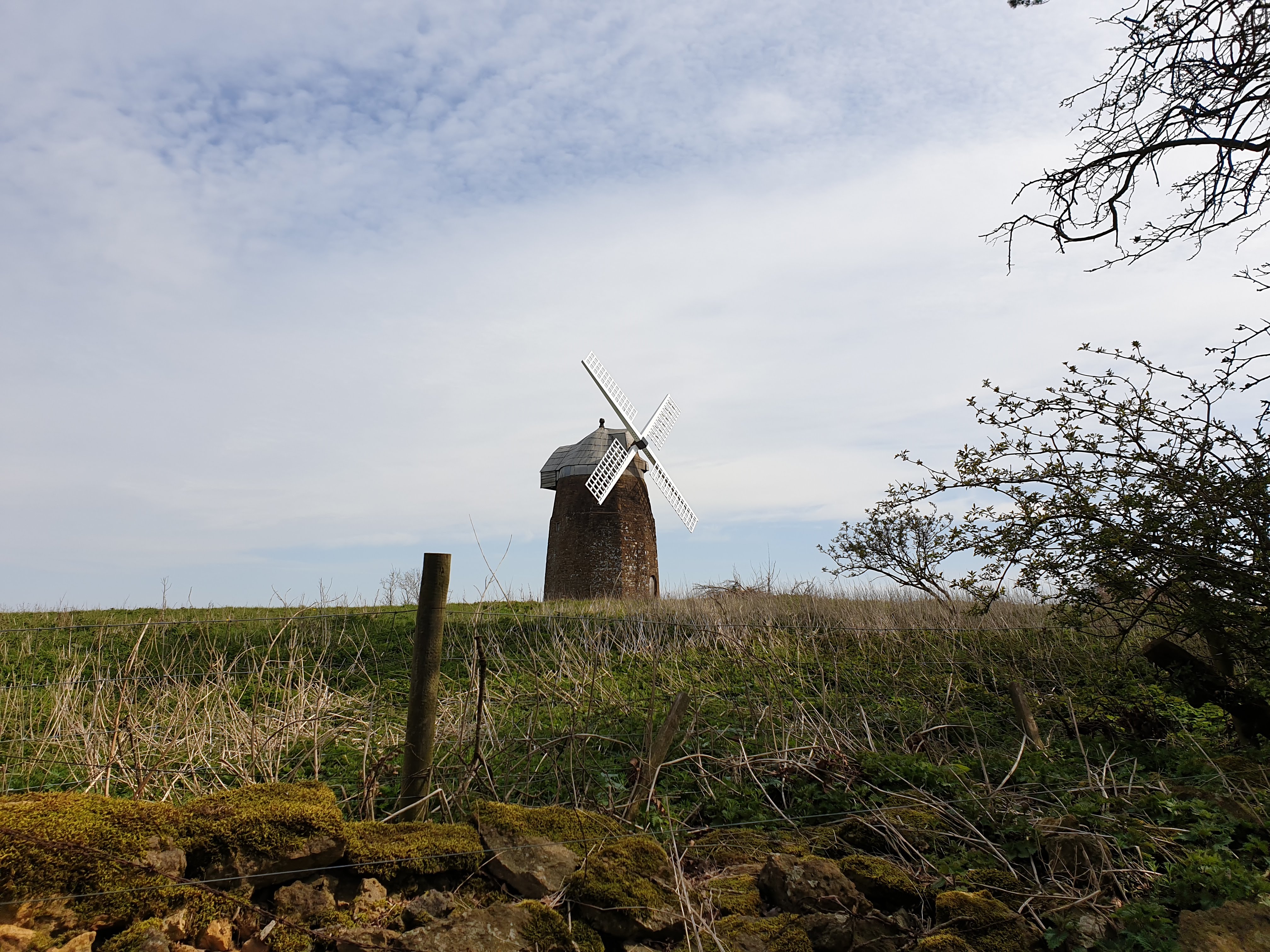
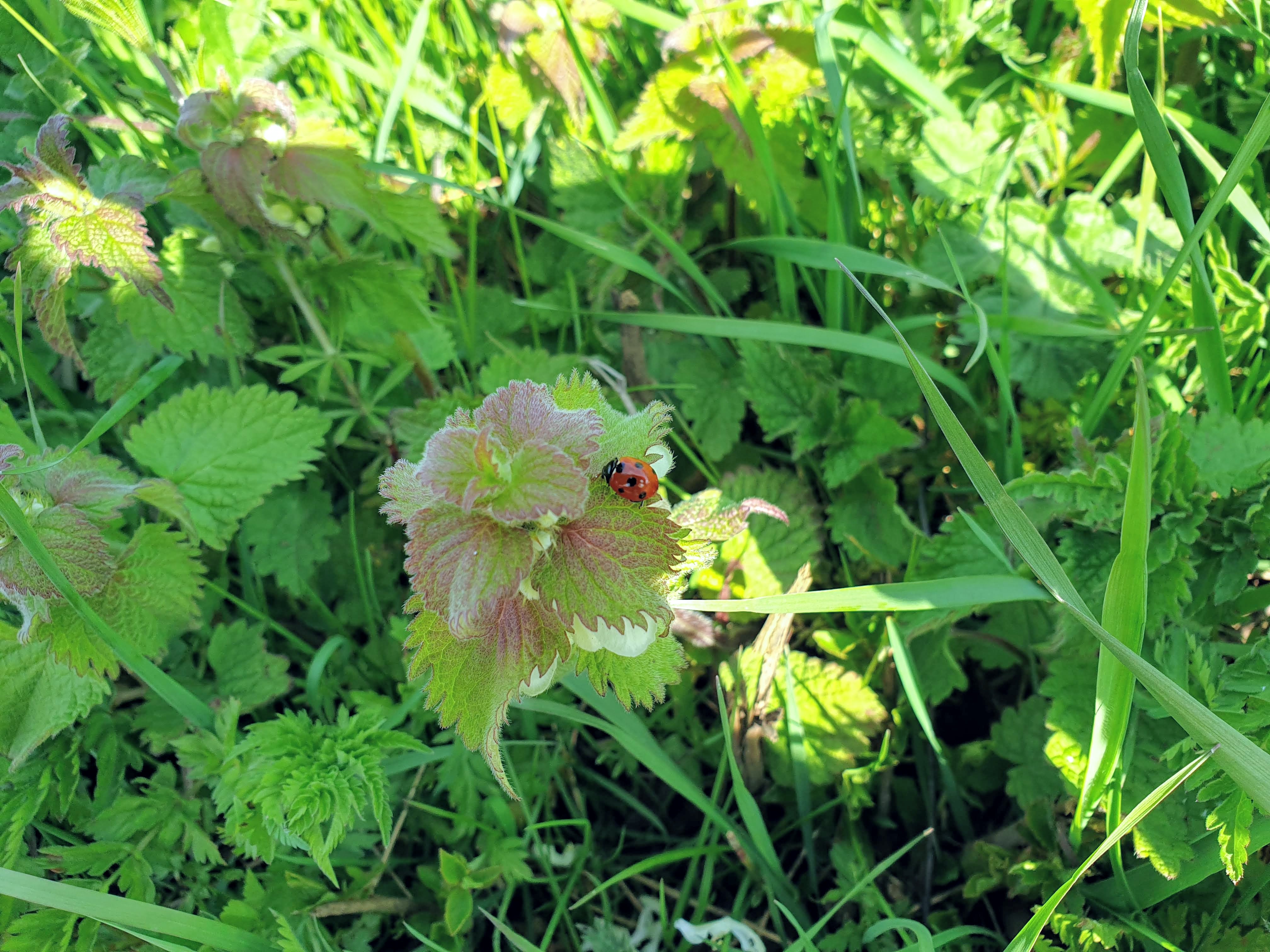
What another beautiful day in the UK! As per pretty much every Sunday, my partner and I went for a walk this morning. We drove to a place called Tysoe and enjoyed going up and down a few hills, the most special one being Windmill Hill with its namesake sat at the top, staring out over the magnificent views.
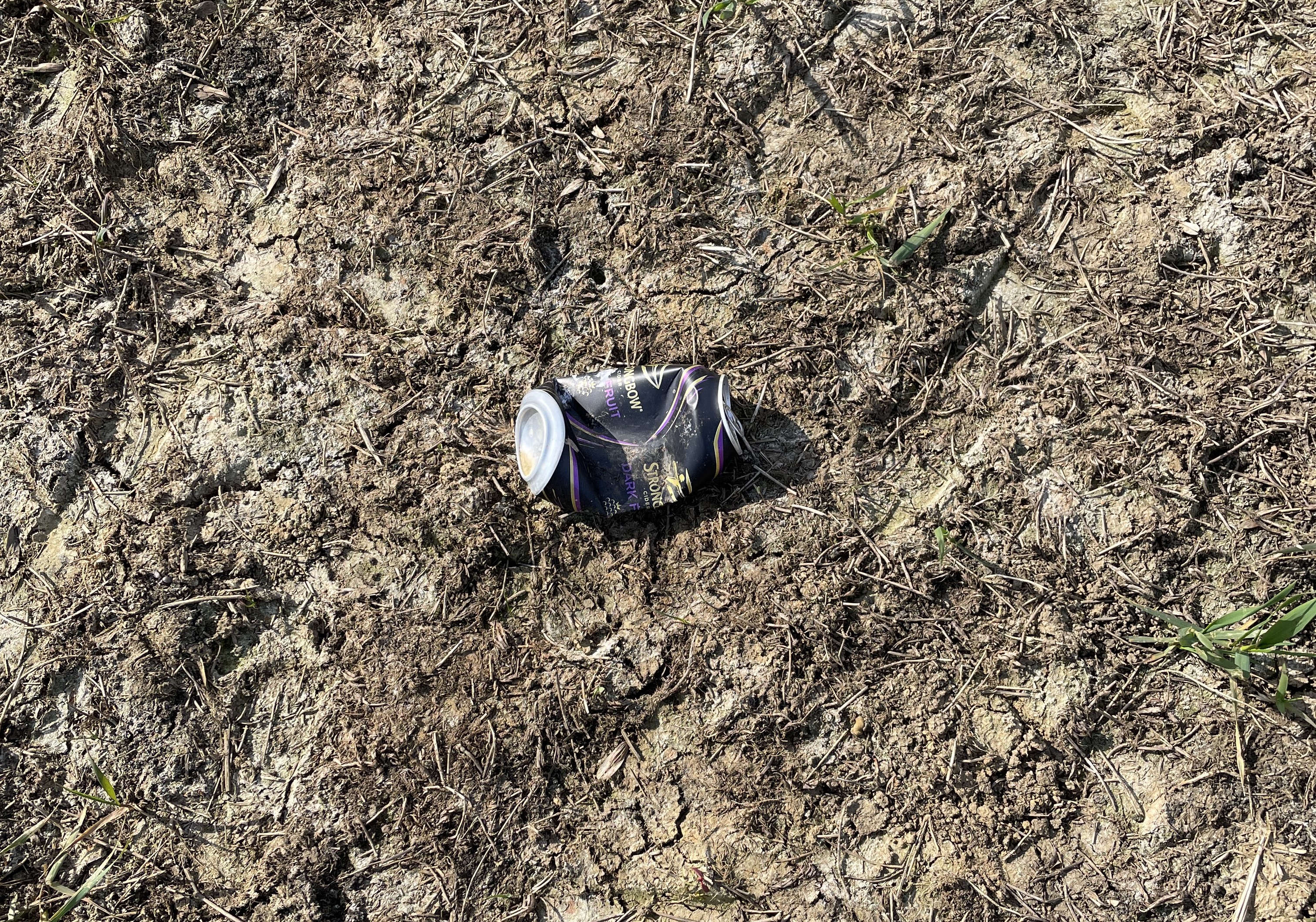
I’m sure I can speak for many people when I say that I absolutely hate it when I see litter on our walks. It really makes me angry and there usually isn’t much I can do about it. This time though, we took a bag and some old kitchen tongs, determined to pick up any litter we found en route. Fortunately there were only a couple of pieces. One of these was an empty can of strongbow in a farmer’s field – really not sure how it got there. But I guess that’s the point. Litter can end up literally anywhere (and everywhere).
One last thing…


My art doesn’t always feature in my daily ‘acts of wildness’ so I thought I’d share a couple of pieces from the week. The small tortoiseshell will have its own blog post soon and the other piece was just me messing about with some watercolours on sunday afternoon. Not sure how I’m going to finish it off yet but I guess that’s a decision for next week!
*For anyone new to my blog, let me explain a bit more about what these posts are about. Every week I share a summary of my daily ‘acts of wildness’. This wildlife challenge was inspired by ’30 Days Wild’ and ’12 Days Wild’ from The Wildlife Trusts. The ‘356’ isn’t a typo – typically, I only thought about doing this after 2021 had already started so I won’t be able to do a full year this time. Next year will be different though! Thank you and I hope you’ve enjoyed the post!
 Ramblings of a (very!) amateur artist
Loving the watercolors 🎨
LikeLike