
And breathe! This one is a bit of a read. So I won’t be offended if you dip in and swiftly dip out! Two-weeks worth of a wild challenge can definitely add up!
I’ll keep it brief to start. A trip to the Welsh coast was definitely the huge highlight of the fortnight, but I saw, read and learnt some new (and very interesting) bits and pieces on the way too.
This post starts all the way back on the 1st November before a much-needed break. It ends on the 14th with an interesting encounter involving some deer. Hope you enjoy 😊
Week 43

Monday 1st November 2021
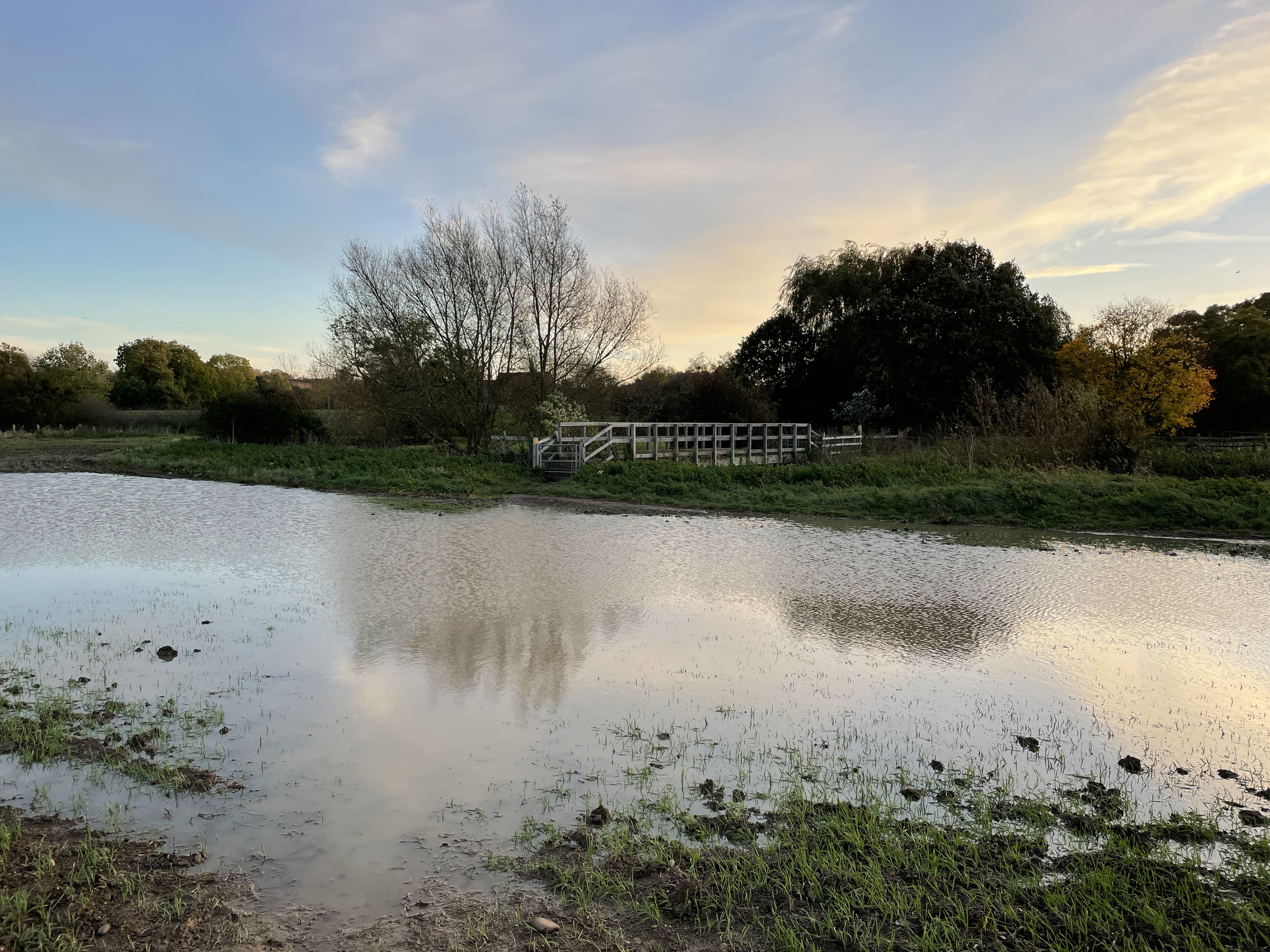
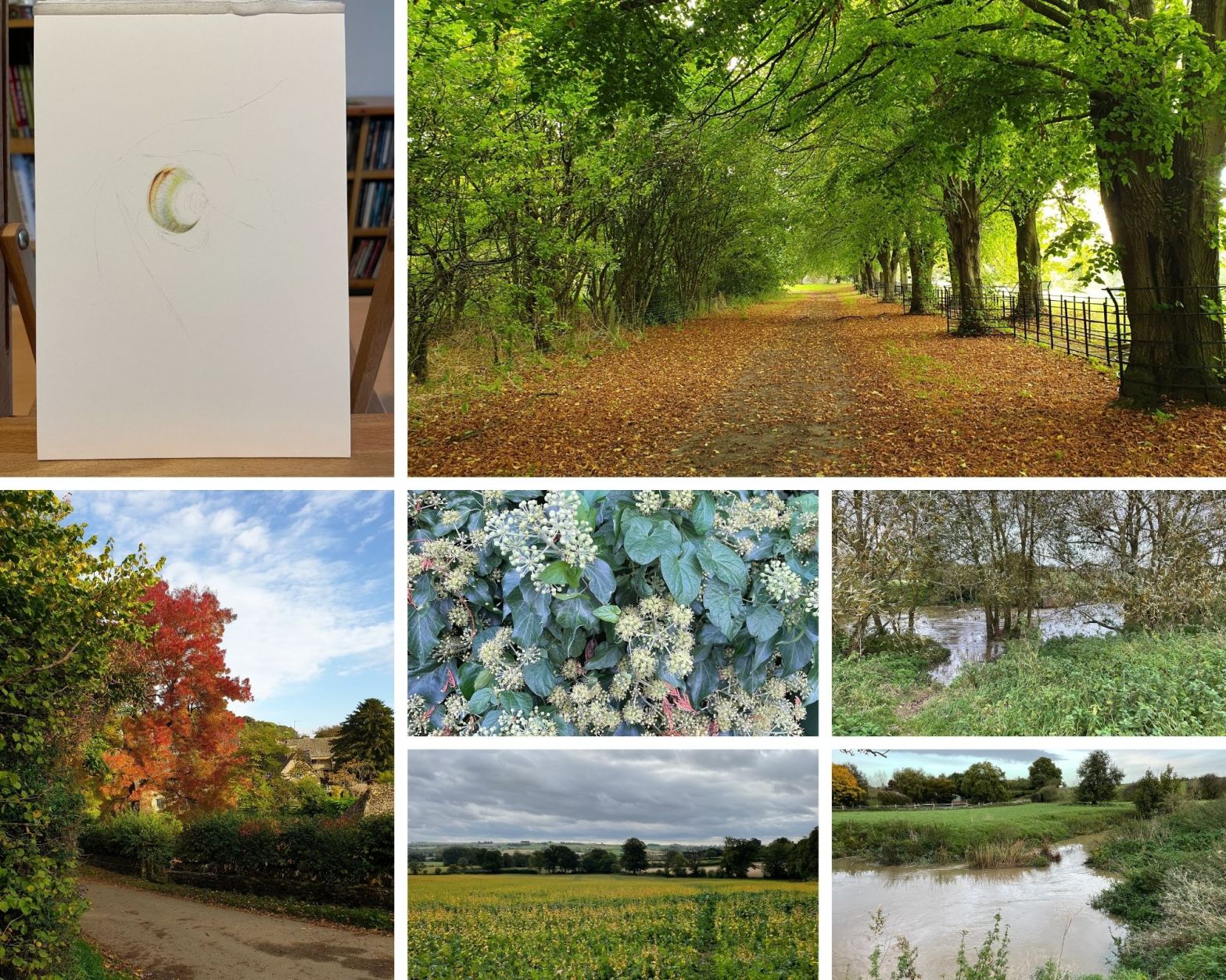
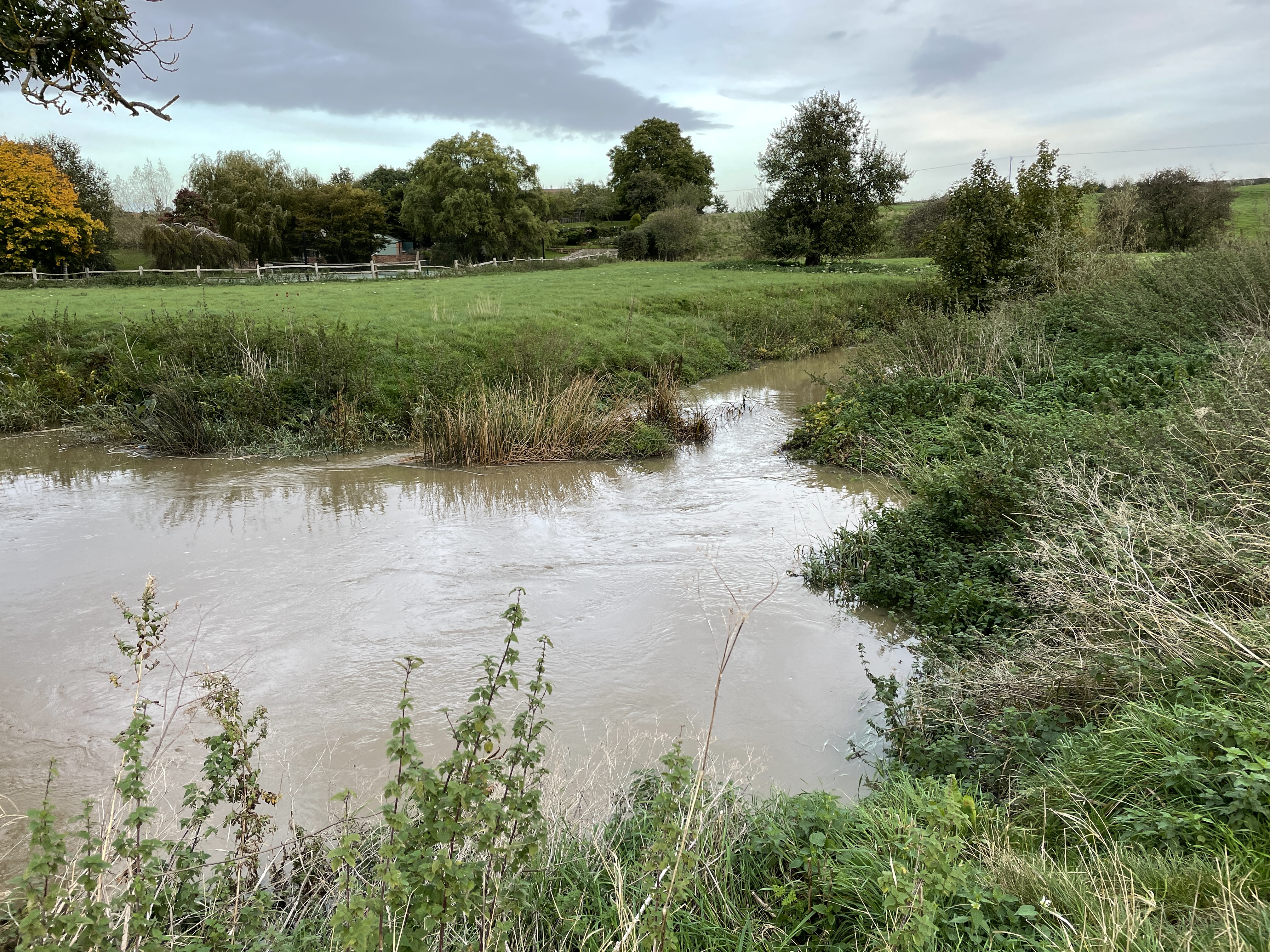
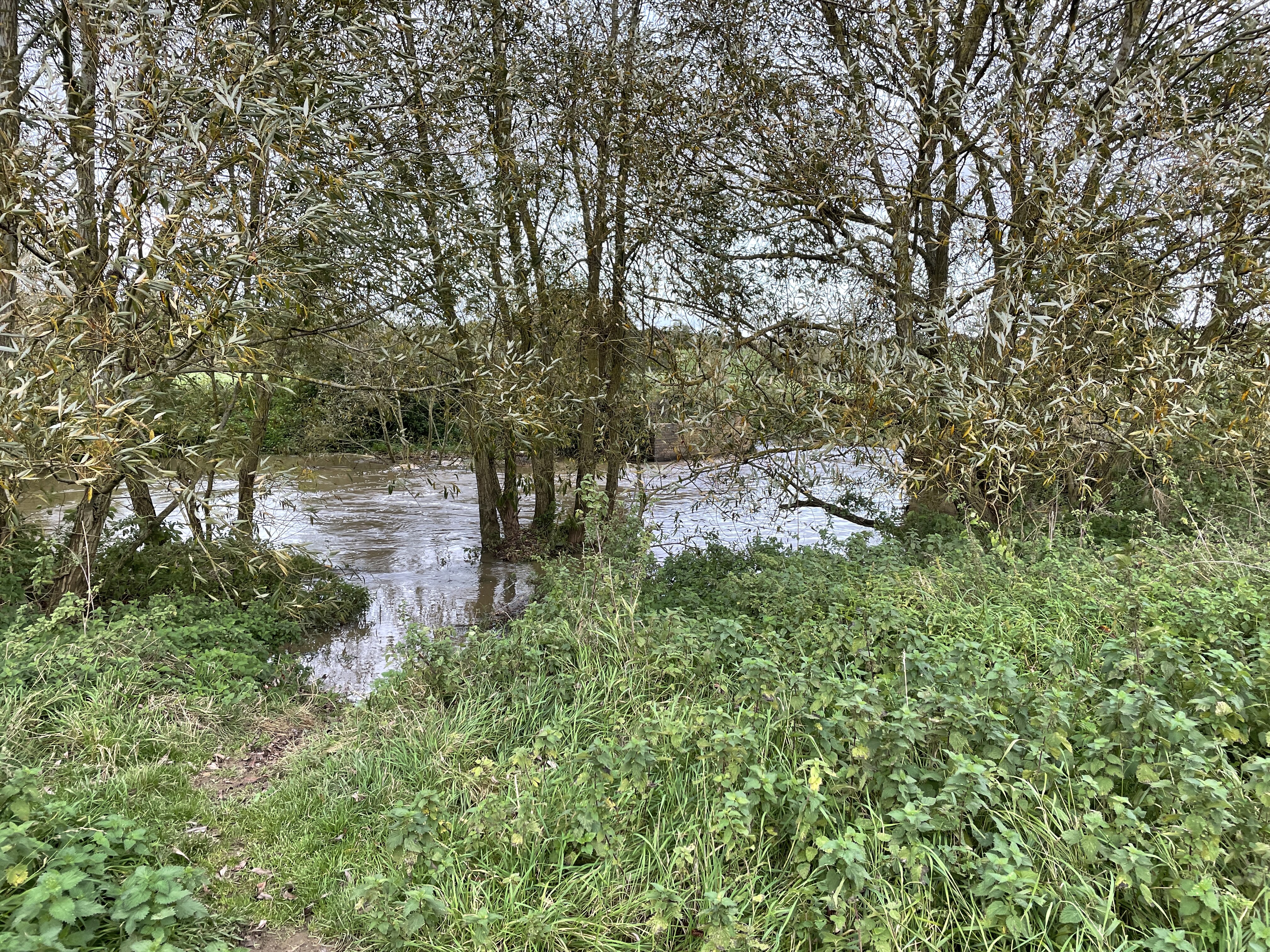
What a beautiful, bright morning. A reminder of one of the temporary benefits of the clocks changing – lighter mornings again. So I went out for a short walk, just around the meadow. I wasn’t able to get the whole way around though. The rain from the weekend caused the Stour to swell and burst its banks in a couple of places. As you can see, there was absolutely no way I was going to get to the bridge without wellies!
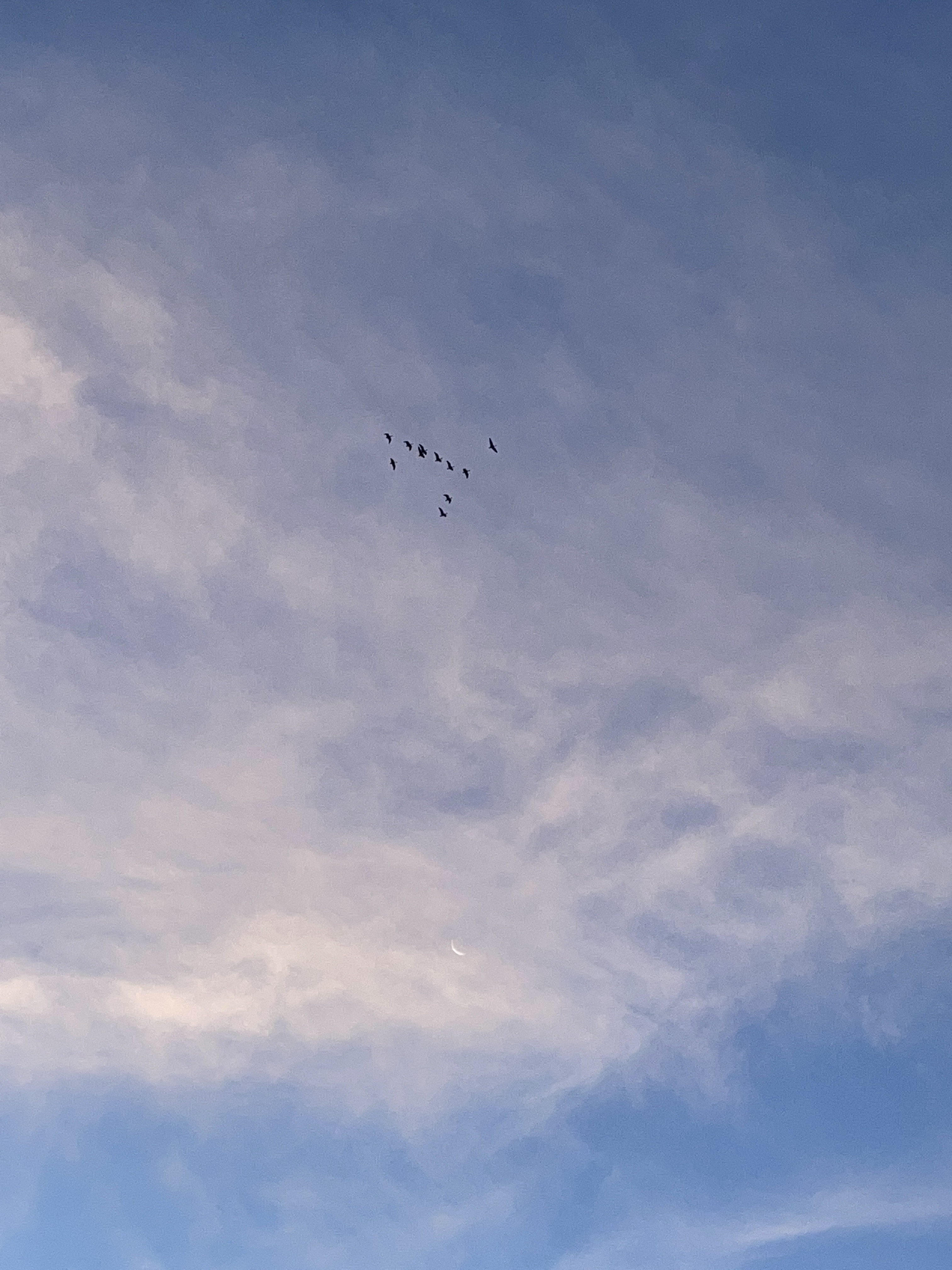
Aside from the swollen river, a v-shaped flock caught my eye as I walked. I thought they might’ve been geese but I didn’t hear any of the typical – and endearing – goose noises above me. So I’m not sure what they were. I suppose that’s not always the point with these kinds of flocks. It would be amazing to know what they are and where they’re going, but you always know they’re going somewhere and probably somewhere quite far away. That, in itself, is awe-inspiring (or at least I think so!)
Tuesday 2nd November 2021

Frost! The first frost of Autumn I think?! This concerns me slightly – I still have Spring bulbs to plant – but the morning chill was just stunning. I took this photo on the way to a nearby village (Honington) before work. These are the sorts of mornings I love come winter!
Wednesday 3rd November 2021
I think it’s only right to mention COP today. I don’t think I’m the only person to have suddenly said ‘what on earth is COP’ over the past few weeks! To say that this comes around every year, I was surprised I didn’t really understand what it was. But then, apparently, some COPs are bigger than others and COP26 is a big’un.
It’s only quite recently that I’ve found discussing environmental issues difficult. Don’t get me wrong, I’ve been aware of climate change for a long time and I’ve listened to the issues it poses. But it’s only very recently that I’ve fully appreciated that it’s happening right now. And the consequences are happening right now. It’s not that I didn’t care about future generations. Of course I did. But it’s much harder to take action now to avoid a hypothetical outcome. Some of the things happening right now are bad enough so just imagine what it’ll be like for people – and the natural world – in the future.
It really can be overwhelming and sad to think about. I suppose a ray of sunshine I cling to is that attitudes towards the environment have changed so much (even in my almost-30-year-lifetime) and there are some really positive steps being taken. COP26 will hopefully be one of these positive steps, though it’s always important for words to be supported with meaningful action (as this National Geographic article explains).
Thursday 4th November 2021

Today was a really odd day. I knew it’d be busy – I’m about to take some annual leave for a week and it feels like everything is happening at once at work. Plus I had a school event tonight.
I knew I should try and switch off properly (or as much as I could) over lunch. So I put on the final episode of Melissa Harrison’s The Stubborn Light of Things podcast. I’ve mentioned this podcast a number of times in my blog and, though it was recorded last year rather than in 2021, I’ve been able to enjoy and relate to its beautiful content and messages. And Melissa’s voice has definitely soothed me during the more challenging times.
This episode was no different. Melissa mentions how, by the time of recording, she’s seen all the seasons in her little piece of Suffolk. It made me ponder my own experiences of my local wild spaces. About a year ago, I was told that my grandad had been taken into hospital. I remember the Autumn leaves and the flooded river. The fieldfares were either here already or they were soon squawking in my local trees. It was the start of a very difficult period for my family. But I remember that the walks and wild spaces helped. I was quite emotional while I listened, but not really in a bad way. I guess life is complicated like that.
Friday 5th November 2021
Well, following my Wednesday post, I made the most of an opportunity offered by The Wildlife Trusts today. They’re asking people to map their special green spaces, along with places that need a little TLC for nature to thrive. I added a pin to my local area. If there’s a place near you that you’d like to see protected, or improved, why not add it to the map too?
Saturday 6th November 2021


My first full day of holiday! Going to Wales in November was always going to be risky but my partner and I managed a decent stroll in the moors above Harlech on the west coast today. The trail was challenging at times. It was boggy and getting wet feet was a bit inevitable. But we reaped the rewards too. For all of our efforts, we saw a woodcock – the second one we’ve ever seen – and we saw a pair of stonechats. These birds are absolutely stunning and, though I’ve said this about a whole range of avian beings, I definitely need to paint this one! (Photo credit: Stefan Lang and Collins Life-Size Birds).
Sunday 7th November 2021


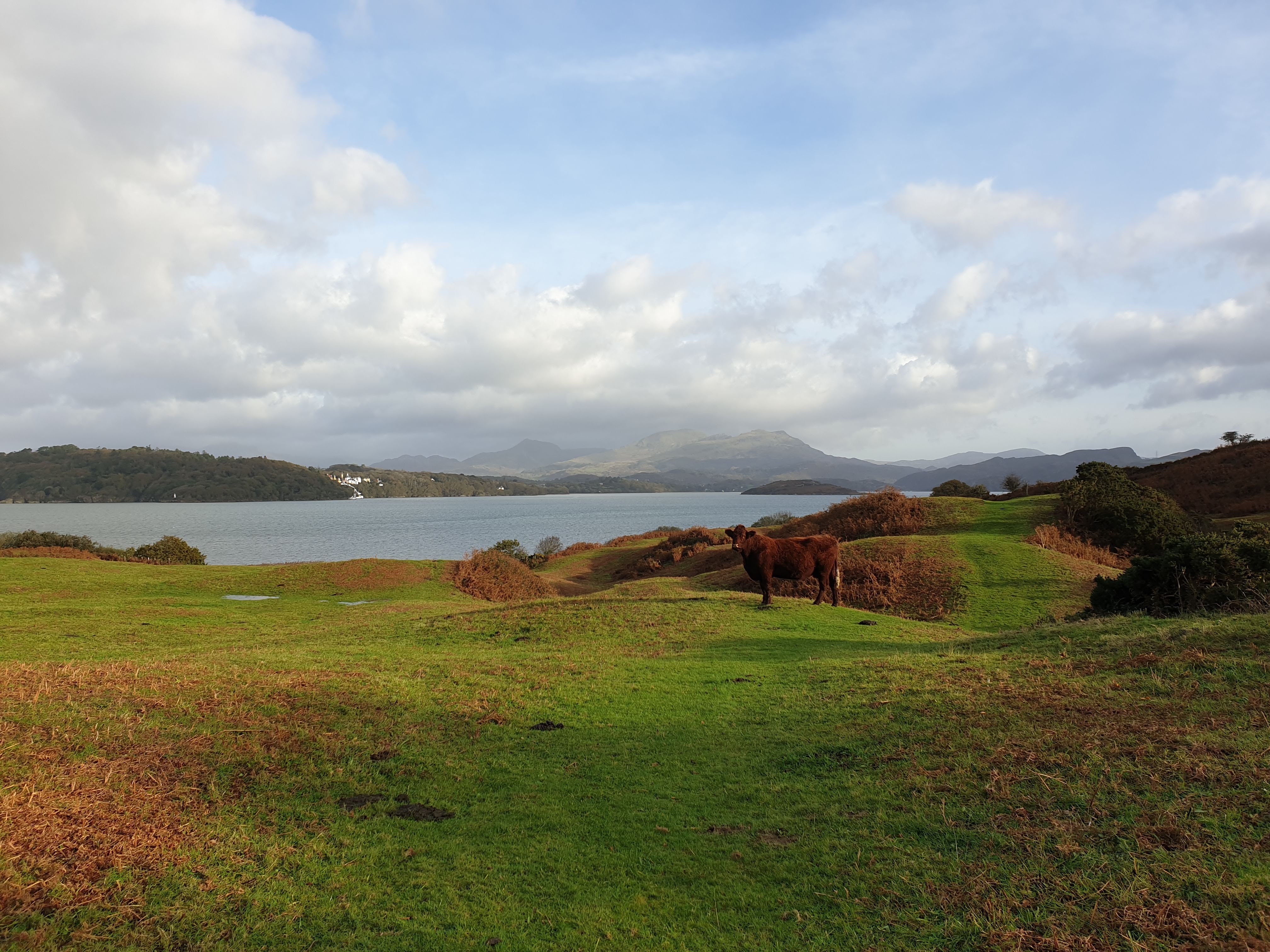

Speaking of reaping the rewards. I can’t quite tell you how lucky we were with wildlife today. It was a long walk – about 13 miles from Harlech to Porthmadog on the Wales Coast Path. The environment changed a lot on the walk. We started on a floodplain, went through lots of coastal marshland, up into woodland and through towns and farmland too. I think I can only do justice to the birds by listing them all:
- Jay
- Sparrowhawk
- Ravens (yes, we did!)
- Kestrel
- Oystercatchers
- Lapwings
- Canada geese
- Greylag geese
- Wigeons
- Curlews
- Teals
- Cormorant
- Lots (and lot and lots) of little egrets
- Grey heron
- Buzzard
- Reed buntings
- Stonechats
- Bullfinch
- Goldcrest
- Fieldfares (yay!)
- Goosanders
- Great crested grebe
- Little grebe
I don’t think I’ve ever seen a wigeon before and the ravens were new for us too. We were a little unsure about these initially, but the ravens were enormous as they soared through the sky and absolutely dwarfed the carrion crows circling nearby. One of the ravens also gave us a little glimpse of its tumbling display. (Photo credit: Stefan Lang).
Week 44

Monday 8th November 2021

I was tested today. I’ve got a lot better with rain but I can’t quite emphasise how soaked to the skin I was after our walk. It ended up being around 7.5 miles and took just under 3 hours. And, pretty much, we were in cloud for all of that time.
The rain didn’t stop there. It just kept on coming all afternoon, with the very impressive Harlech Castle shrouded in mist all the way through to early evening. As I was reading my book on the sofa, thankful I wasn’t out in the gloom, I saw a yellow glow in the distance. It was about 4.30pm and the glow was coming from the beach. I realised it must be the sunset and grabbed my trainers – the rain had paused and I didn’t want to miss this opportunity. Long story short, it was beautiful.
Tuesday 9th November 2021
Another rainy day. Another reading day. And an article about the ‘Falkland Island Wolf’ caught my eye. Like the Tasmanian Tiger I wrote about recently, the Falklands wolf is one of the ones that didn’t make it. In fact, it’s long gone – extinct since 1876. Due to hunting, apparently.
What’s very interesting about this creature is how on earth it got to the Falklands (several hundred miles away from the mainland) in the first place. The article I read suggests there’s growing evidence that people may have taken their canine friends over. These same people – or, rather, their ancestors – used the island temporarily way before Europeans rediscovered it centuries later, leaving the Falkland Island Wolf behind. Either that or it got across the sea on its own…
Wednesday 10th November 2021

Sunset on Harlech beach – Stefan Lang 
Common Scoter – Collins Life-Size Birds
I think I’m rambling on a bit too much in this post so a short one today, but no less exciting than the others. This evening, on a pleasant (dry!) walk along Harlech beach, my partner and I spotted some black ducks just off shore and we believe they’re Common Scoters. A new bird ticked off!
Thursday 11th November 2021


Two nature reserves today: Coed Garth Gell and Arthog Bog. It was just a quick(ish) stop at each of them, though I think we’ll have to do the 9 mile circular walk at the woods when it isn’t so slippery! It reminded me of a Costa Rican cloud forest!
Both reserves were teeming with small birds. It was impossible to identify most of them but a goldcrest gave me an excellent view of its vibrant noggin while it nibbled through a tree at the bog. That was a pretty special treat. (Photo credit: Stefan Lang).
Friday 12th November 2021

I found myself thinking about sand dunes this morning. I was woken several times in the night by an almighty storm. The wind was howling around the caravan and the rain hammered down in short, violent bursts. In my half-sleep, I wondered what on earth I’d do if the caravan roof blew off and then dozed again until the next big gust.
The relevance of this to Harlech’s sand dunes? Well, the storm made me realise just how much protection the dunes must give this coastal town. Unlike so many places in the UK today, this strip of Welsh coastline is apparently still growing. If you know Harlech, you might be surprised to hear that its castle actually sat above the shore when it was built in the 13th Century. It’s now several hundred metres from the beach, way behind the sand dunes. These dunes, impressive as they already are, will continue to get bigger and bigger for years to come.
Saturday 13th November 2021

Time for some post-holiday blues! We’re 100% home now and I was craving the seaside when I woke up. On opening the bedroom curtains, however, I was totally taken aback by the now-golden leaves of the bird-cherry tree in our garden. I don’t remember them being so bright last year; it was honestly like sunshine. I’m always in awe of this tree. It produces food for insects and birds almost all-year-round and has provided a resting perch for many a wood pigeon and collared dove.
Sunday 14th November 2021
And I end this wild fortnight with a bit of a revelation. Involving some deer…
On a walk to Whatcote (another local village), my partner pointed at a white thing across the fields and said ‘is that a sheep?’ A very fair question and a very fair assumption too. What other quadruped in a field could be white? However, the binoculars revealed something else. A white deer with a black fawn. I’ve never seen anything like it. We took it in turns to look again, making sure we weren’t being daft. But they were indeed deer and one – presumably a female – was indeed white and the fawn – presumably her young – was indeed black.
The internet helped with the mystery. Fallow deer apparently vary significantly in their colours. I had absolutely no idea!
*For anyone new to my blog, let me explain a bit more about what these posts are about. Every week I share a summary of my daily ‘acts of wildness’. This wildlife challenge was inspired by ’30 Days Wild’ and ’12 Days Wild’ from The Wildlife Trusts. The ‘356’ isn’t a typo – typically, I only thought about doing this after 2021 had already started so I won’t be able to do a full year this time. Next year will be different though! Thank you and I hope you’ve enjoyed the post!





















 Ramblings of a (very!) amateur artist