Butterfly sparkle, butterfly sparkle, pretty as petals in the sky you, flutter together, light as a feather, why can’t I be a but-ter-flyyyyy
Does anyone else know this song?! I think it was from a play when I was in primary school and I think my sister was the butterfly… Anyhoo, it features here because I couldn’t get it out of my head when I was painting recently. As my sister put it, “think of all the useful stuff that could be in my head instead of that”. Too true!
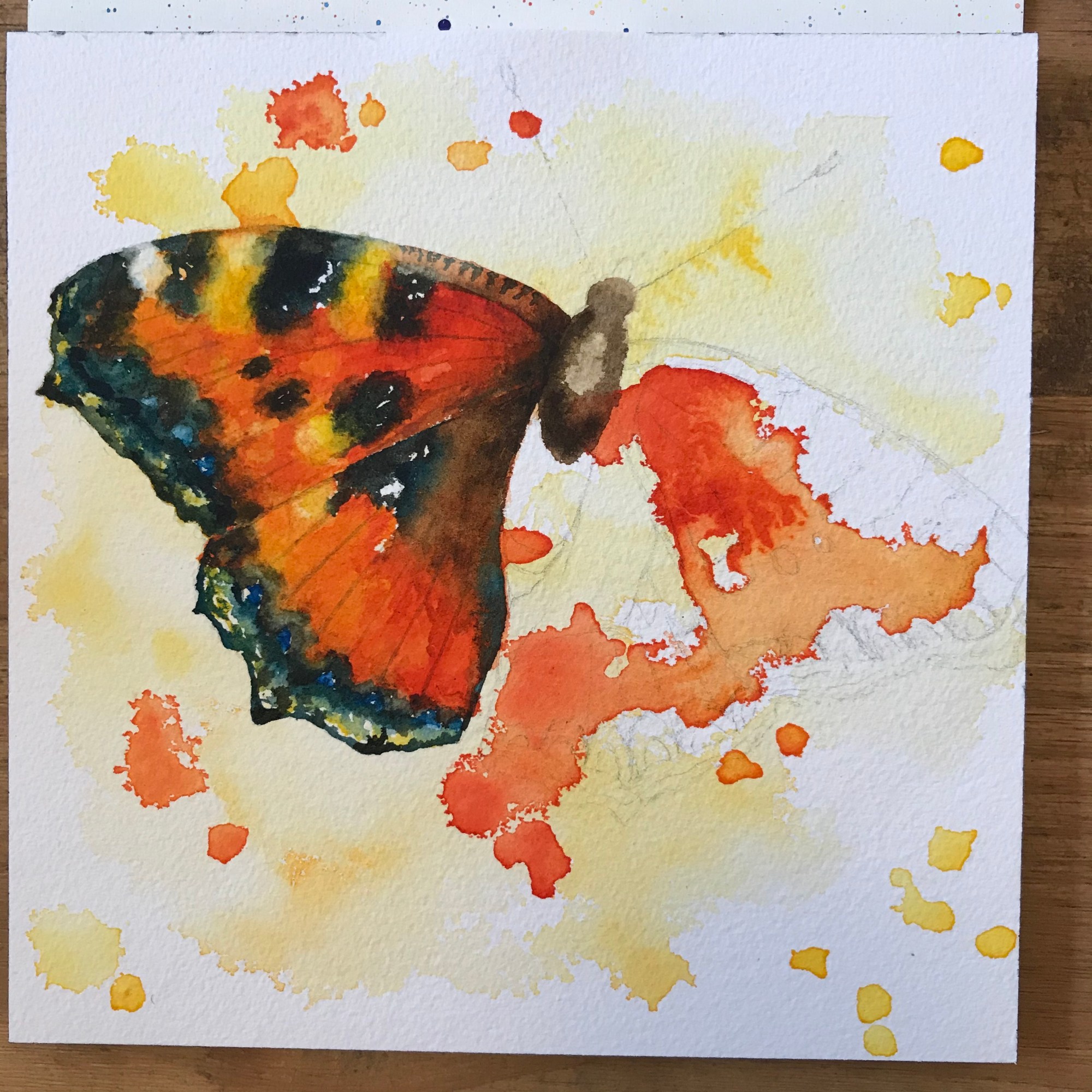
The painting in question is of a small tortoiseshell butterfly. I spotted my first small tortoiseshell of the year a few weeks ago and noted it in one of my weekly blogs. It was when we had a couple of really warm days in March. Since then – despite the colder mornings! – I’m pleased to say that I’ve seen quite a few more.
Collins gem all you need to know: Butterflies
Small tortoiseshells are very pretty butterflies. Their colours are so bright and striking and they tend to stay with us in the UK all year round. I really wanted to replicate this in my painting – I needed to make it ‘sparkle’!
I started by drawing a rough sketch of the butterfly and tried to divide it up into clear sections so it would be easier to paint later. I decided I didn’t want a plain background so I added a few drops of water here and there and also sprayed a bit of water onto a couple of sections and then popped some oranges and yellows onto the wet paper.
Once the background had dried, I added more colour to each of the wings in turn. I looked really carefully at the oranges and reds and also paid attention to the white spots on the top wings. One of the hardest things I find with watercolours is to know where not to paint. After you’ve added colour to the paper, it’s very difficult to get that crisp white back again! I think I read that the white spots are important because they differentiate the small tortoiseshell from the large tortoiseshell. That said, this article says that the large tortoiseshell is considered extinct in the UK so if you spot a tortoiseshell, it’s basically going to be the small one. Getting the white spots right was still important though!
A photo of the finished small tortoiseshell
I think I’ve got a lot better at adding layers of colour to watercolour pieces. Along with the detail. When I look back at a peacock butterfly I painted last year, you can see that the small tortoiseshell doesn’t look as dull or washed out. The detail is minimal but important – the lines on the wings, for example. Before I added these in, the wings just didn’t look right.
Scan of my peacock butterfly from last year vs. scan of the small tortoiseshell
As for the composition, well, this is an example of a ‘happy accident’. When I drew the butterfly out at the beginning, I squeezed it all in so that the whole thing fit on the page. But it just didn’t look right – the top right wing was too small. Rather than start again and shift everything sideways, I decided to draw the butterfly so it spilled off the page. I wasn’t sure how it was going to turn out but I actually think it adds something to the piece. It works well with the splodges.
Hopefully I’ll see many more small tortoiseshells over the Spring and Summer!
The suncream well and truly made an appearance during Week 15 of my wildlife challenge! I’m so pleased that Spring has sprung!
There was a lot of wildlife to enjoy this week but a few of my highlights include: 🎵 Learning why starlings sometimes sound like ducks 🐱 Reading about mammals and how they get around 🌸 Painting some more snowdrops 🐦 Spotting 2 new birds for 2021 on a beautiful walk in the Cotswolds
Read on to find out more and, I should say, if you enjoy this post, I’d strongly encourage you to take part in ’30 Days Wild’ from The Wildlife Trusts. ’30 Days Wild’ inspired my weekly blog posts and I can’t emphasise enough how adding a bit of wildlife into my life every single day has helped me through both the good times and the bad this year. This annual wildlife challenge takes place in June and you can sign up now.
Monday 19th April 2021
Starlings – love them or hate them, you have to admit they have some impressive communication skills!
Ok. Starlings. You love them or you hate them. I remember my grandma complaining when I was a kid every time the starlings ate all the bread that we left out for the birds. As an adult, it’s only since moving to Warwickshire that I’ve seen starlings in significant numbers – a marked example of their decline over the last few decades methinks.
Personally, I quite like starlings, but even if you’re not much of a fan, their songs are still pretty impressive. Lucy Lapwing’s most recent bird song lesson is all about the starling and the golden rule with them is that there’s a lot of variety – clicks, whistles, woops, chatter, tweets. The list goes on.
And they can mimic which might explain why one of the starlings near my house sounds like a buzzard and why another quacks like a duck… They can learn man-made noises too – in this clip, some starlings can be heard mimicking a car engine that had been heard by starlings generations before them…!
All of the photos are incredible and, while I was having a good look through, I realised that I haven’t seen a fox in ages. Growing up, I didn’t ever see foxes that much but I’d glimpse the occasional urban fox in Oxford when I lived there a few years ago. I always hope that I’ll see one when I go for a walk early in the morning or in the evening – maybe I’ll get lucky soon!
Wednesday 21st April 2021
Jolene rolling around in the sunshine
I’m coming towards the end of my Incredible Journeys (D. Barrie) book now. The book focuses on different animals and their extraordinary navigational feats. The chapter I read today talked about navigation in mammals, including human beings. It turns out the hippocampus appears to be quite important, but scientists are still unsure about how mammals can travel to specific locations over large distances with only their innate, natural ability to get there. Elephants, for example, can find there way to specific waterholes from tens of kilometres away.
More local to home, I remember wondering about the navigational ability of my black cat (Jolene) a few months ago. She and my other cat (Claude) had been with us for a couple of months. They weren’t allowed outside at first and, when we did let them out, they were only allowed out into the back garden. Jolene had seen the front of the house when she joined me in opening the front door for deliveries – she’s a nosey thing! – but she’d never been let outside that way. The front and back of the house aren’t really connected – to get from the back garden, you have to go down a little path (taking you to a road on the cul de sac), turn right, go around a corner and then past a couple of houses. Somehow, without ever being shown the way and without ever exploring that side of the house, Jolene left our back garden one evening and managed to locate our front door. I’m still not sure how she did it…!
Thursday 22nd April 2021
Were the dunnocks having a good natter in the hedge?
I had a lovely early morning walk today. It was a beautiful, chilly walk – I can’t believe there’s still so much frost in the morning around here! Things still feel a bit difficult at times and I find I’m quite a bit more anxious than I used to be so I tried to focus on the sounds around me. I was intrigued by a couple of birds having a whale of a time in the hedgerow. Their calls sounded like they were having a right natter. I tried to get a good glimpse of them so I could work out what on earth they were but it was impossible to get a clear view through the brambles. I’m wondering now if they might have been dunnocks…
Towards the end of the walk, I heard a very loud song that I could identify straight away: a song thrush. Song thrushes are just so loud when they want to be! And this one was perched right at the top of a tree, making all sorts of noises as I walked past.
Friday 23rd April 2021
BBC Wildlife Magazine (Spring 2021)
I read a lovely little story in BBC Wildlife Magazine today. It was an anecdote from a wildlife photographer. They’d had been at a Scottish loch, trying to get some shots when, out of nowhere, a rabbit came bouncing down the hill and decided to take a little dip in the loch. The article and the photo really tells the full story – I don’t think I can do it justice!
Saturday 24th April 2021
I painted these snowdrops earlier in the year – I hope I’ll do my current piece justice!
It was time to do a bit of painting today. All the way back in early March, an old school friend got in touch asking if I could do a couple of snowdrops pieces for her. With all of the disruption last month, it’s taken me a little while to do these so I turned my attention to the second piece this afternoon.
I put a podcast on in the background while I painted. It’s a podcast I started listening to last year during the first lockdown – called The Stubborn Light of Things. Although it’s from 2020, I think it’s still very relevant. In these two episodes, Melissa Harrison (nature writer) talks about the small joys of Spring, like the return of the swifts and swallows and the bees and butterflies feasting on dandelions. It was a lovely listen.
Sunday 25th April 2021
We had a beautiful walk in the Cotswolds this morning. The walk started off in a place called Cranham near Stroud and it took us through Buckholt Wood, Brockworth Wood, Cooper Hill and Painswick Beacon. We didn’t actually go over the top of Cooper Hill, but it’s famous for its cheese-rolling in May and I can totally see why this annual event usually ends with injuries! The hill is so steep!
The views were just breathtaking (photo credit: Stefan Lang). We could see across to Gloucester and Cheltenham and could just see the Malverns in the background too. Up close, we also spotted a few special birds. A couple of jays, a male mandarin duck and a pied flycatcher. I don’t think I’ve ever seen a pied flycatcher before so that was a huge treat!
*For anyone new to my blog, let me explain a bit more about what these posts are about. Every week I share a summary of my daily ‘acts of wildness’. This wildlife challenge was inspired by ’30 Days Wild’and ’12 Days Wild’ from The Wildlife Trusts. The ‘356’ isn’t a typo – typically, I only thought about doing this after 2021 had already started so I won’t be able to do a full year this time. Next year will be different though! Thank you and I hope you’ve enjoyed the post!
Week 14 brought some warmer weather again. Yay!!!!
There were so many wildlife highlights this week, but to give you a cheeky taste, they include: 🐝 Identifying a weird-looking wasp 🐥 Spying on some ospreys 🤓 Learning about the indestructible tardigrade ☀️ Lots of walks in the sunshine!
Read on to find out more 🦋
Monday 12th April 2021
An interesting critter
I went for a little wander this afternoon and saw a really odd insect on a wooden post near a hedge. It had bright yellow markings like a wasp but I thought it looked a bit like a beetle as well. After a bit of research, I think it might be a wasp from the Ichneumon family.
From our Collins gem insects book, it looks like it could’ve been an Ichneumon suspiciosus but this online guide suggested an Ichneumon stramentor instead. The guide also says that there are over 2,500 different species of Ichneumon wasp in the UK. I think it’s fair to say that I had absolutely no idea that we had so many different kinds of wasp full stop. Let alone Ichneumon wasps!
Tuesday 13th April 2021
I enjoyed another freezing jog this morning. It was such a beautiful start to the day but was cold with a capital C! I headed out towards a tiny place called Tidmington. We go on quite a few walks here and I love looking out for the birds that frequent the trees, hedges and gardens on both sides of the narrow single-track road. We’ve seen woodpeckers and treecreepers on this stretch, along with lots of the usual suspects (blue tits, great tits, robins, goldfinches, chaffinches).
So I jogged all the way there and then walked for this bit so that I could take a few photos. I particularly liked seeing the cow and the sheep sharing a big field! Later on, I also enjoyed seeing a moorhen running along the pavement ahead of me on the way back to Shipston. He was nowhere near the river and ended up flying into someone’s garden – I think he might’ve been a bit lost!
Wednesday 14th April 2021
Screenshot of the Rutland Osprey nest live stream
It was time for another little spy on some birds today. On this occasion, it was the Rutland Ospreys. I had a good look at the female(?) osprey sitting on the enormous nest and then had a little read about the birds. I hadn’t realised that ospreys were officially extinct as a breeding bird in England as long ago as 1847 after centuries of persecution.
In 1954, a natural recolonisation occurred in Scotland but it was predicted that it would take over 100 years before ospreys would breed in England again. Conservation projects reduced this time substantially and Rutland Water has seen 150 osprey chicks fledge since the project started in 1996. They are very impressive birds I have to say!
Thursday 15th April 2021
Never underestimate the dandelion!
During a short break over lunch today, I went outside to water the plants in the garden. There are quite a few dandelions in the flowerbeds at the moment and it reminded me of something I read a few weeks ago about the importance of these ‘weeds’. I can’t remember where I read it, but a single dandelion supports a ridiculous number of bees every single day. I happened to read this a few days after I’d pulled some up out of the garden and felt very bad about it!
So I made sure these ones had a bit of water and left them alone. As well as good pollinators, I think dandelions are actually quite pretty. I wonder how we ended up seeing them as weeds…?
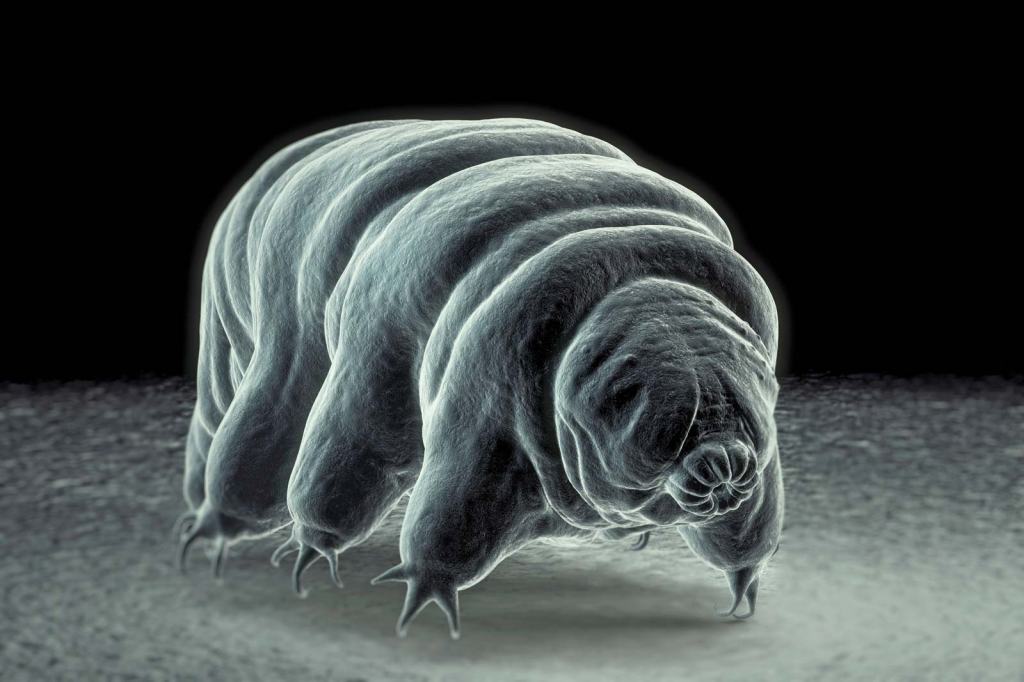
My colleague and I were trying to come up with some obscure words/things today for a bit of training we’re running next week. The thing I came up with is ‘tardigrade’. I remembered hearing about tardigrades in a podcast last year but I couldn’t for the life of me remember what they exactly were. So I listened to the podcast again (part of the 30 Animals that Made Us Smarter series).
Tardigrades are also known as ‘water bears’ or ‘moss piglets’ and, according to the podcast, these animals are pretty much indestructible. They were first discovered through a microscope in 1702 (they were initially called ‘animalcules’) and they’ve apparently been found everywhere, including the bottom of the Antarctic Ocean and at the top of the Himalayas. Oh, and they can survive in a vacuum…
Even more impressively, they can live for decades without water by drying out and then ‘re-animating’ once exposed to water again. They do this by replacing water molecules with ‘trehalose’ – a type of sugar. And the reason why they feature on this particular podcast is because scientists are trying to understand how this could help vaccinations last longer (how topical!)
As we know from Covid-19, some jabs have to be kept at very cold temperatures for them to remain in good condition. The podcast argues that learning from the tardigrade could result in us finding a way to dry vaccinations out, turn them into a powder, transport them at room temperature and then re-animate them. Which would mean that even the remotest places on the planet could have access to life-saving vaccinations. Very interesting!
Saturday 17th April 2021
Two geese and their goslings
I was lucky enough to go to Oxford today to see some friends – my first trip there in over 6 months. Having lived in Oxford for a good 6 years or so (during and after uni), I always enjoy a trip back every now and then. I tried to take in all of the countryside that I passed on the train journey. I’m not sure I ever truly appreciated how beautiful the scenery is on the way into the city. But, this time, I made sure to take in all of the rolling fields, babbling becks (brooks), rushing rivers and the beautiful blue sky, along with all of the red kites, buzzards, swans, rabbits and deer that we passed.
While there, I had a glorious wander along the Oxford Canal and also had a walk with my friends around Christ Church Meadow and the River Thames later in the day. My wildlife highlight was seeing a pair of geese with some very young goslings. I’m not sure I even got to see goslings last year so it was definitely a real treat!
Sunday 18th April 2021
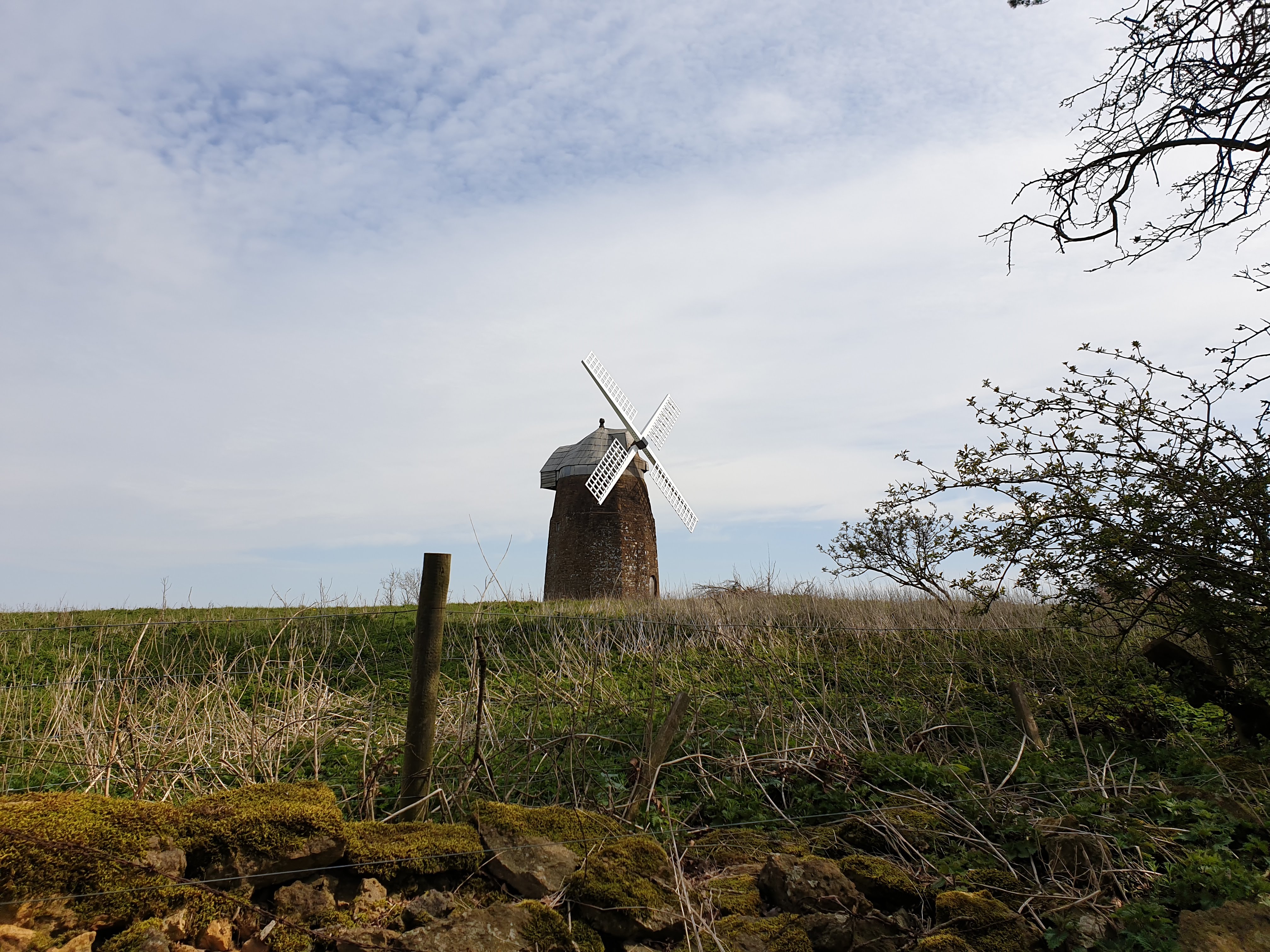
What another beautiful day in the UK! As per pretty much every Sunday, my partner and I went for a walk this morning. We drove to a place called Tysoe and enjoyed going up and down a few hills, the most special one being Windmill Hill with its namesake sat at the top, staring out over the magnificent views.
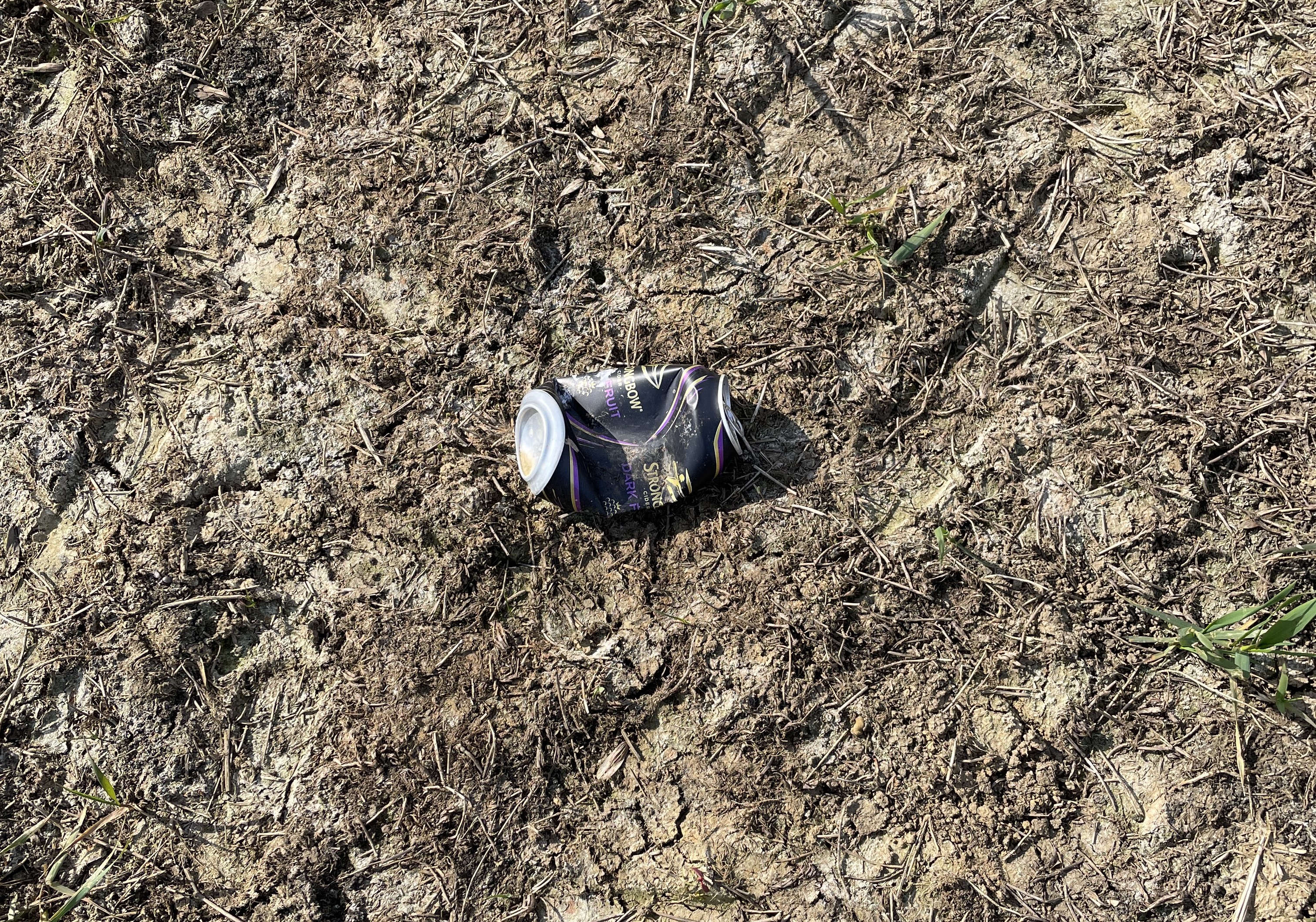
I’m sure I can speak for many people when I say that I absolutely hate it when I see litter on our walks. It really makes me angry and there usually isn’t much I can do about it. This time though, we took a bag and some old kitchen tongs, determined to pick up any litter we found en route. Fortunately there were only a couple of pieces. One of these was an empty can of strongbow in a farmer’s field – really not sure how it got there. But I guess that’s the point. Litter can end up literally anywhere (and everywhere).
One last thing…
My art doesn’t always feature in my daily ‘acts of wildness’ so I thought I’d share a couple of pieces from the week. The small tortoiseshell will have its own blog post soon and the other piece was just me messing about with some watercolours on sunday afternoon. Not sure how I’m going to finish it off yet but I guess that’s a decision for next week!
*For anyone new to my blog, let me explain a bit more about what these posts are about. Every week I share a summary of my daily ‘acts of wildness’. This wildlife challenge was inspired by ’30 Days Wild’and ’12 Days Wild’ from The Wildlife Trusts. The ‘356’ isn’t a typo – typically, I only thought about doing this after 2021 had already started so I won’t be able to do a full year this time. Next year will be different though! Thank you and I hope you’ve enjoyed the post!
How am I 13 weeks into this already? It feels like so much has happened since I first started these weekly blogs…
Unlike last week, Week 13 brought a lot of wintery weather. ‘Mother nature’ really was quite naughty. That said, I still had fun with my daily ‘random acts of wildness’ by:
🌳 Exploring some new places (despite the snow and hail!) 🐣 Reading about the weird and wonderful world of bird nest construction 🐢 Learning about sea turtle navigation 🦋 Working on a butterfly painting
Read on to find out more 😊
Monday 5th April 2021
Swallows always bring such hope – taken from J. Mynott, Birds in the Ancient World
What a bizarre day. It wasn’t supposed to rain, it was supposed to stay dry, but, instead, it decided to snow this morning! We went to a local arboretum to see some family and saw all of these trees – that had just started to get their leaves – covered in sleet and snow. Incredible.
Then, to spice things up, by the end of the day, the sun had come out and, though it was still chilly, there was a hint of warmth in the air. And an added bonus was that we spotted a swallow on an evening walk. So we started with snow and ended with a swallow… Poor swallows must be very confused!
Tuesday 6th April 2021
Our blossoming cherry tree
The cold hit me again this morning. I think it was -1C when I went out for a jog. It was a beautiful morning and I enjoyed the run but it really did feel like January/February again! As I followed one of my routes around Shipston, I was reassured to see that lots of trees were still coming into bud. Even our cherry tree in the garden has decided to blossom early and doesn’t seem to be suffering in the cold weather. I really hope the warmth appears again soon!
Wednesday 7th April 2021
RSPB Pocket Guide to British Birds
I had a bit of a noisy walk this afternoon as the farmer was harvesting the turnips in the field and there were a lot of people out and about so I didn’t spot many birds this time. That said, the skylarks caught my attention the whole way.
Skylarks always give me a little chuckle. They have such a jovial tune that makes them sound so happy. Their songs are also so loud. I always expect them to be just above the ground – that’s how close they sound – but you always have to look up with a skylark. They often look like they’re flying directly upwards as well, ascending higher and higher into the sky and that’s where their tweeting comes from.
Thursday 8th April 2021
I learnt some very interesting things about turtles today in Incredible Journeys by David Barrie. Turtles, as we’ve all seen in Attenborough documentaries, return to the beaches where they were born to lay their own eggs. How they locate these beaches is still somewhat of a mystery. How the baby turtles know where to go when they get to the sea after they’ve hatched is also quite a mystery too. From the book, it sounds like both adult turtles and hatchlings are likely to react to magnetism, olfactory cues (i.e. smells), the direction/movement of waves and they may also make use of visual landmarks.
Wave direction really interested me. It’s hard to imagine how a baby turtle can, instinctively, make use of such a thing to aid their navigation at sea (for the first time) when it wouldn’t mean much to most humans. Barrie writes:
Lohmann eventually discovered that they [baby olive ridley sea turtles] are sensitive to the characteristic rotational accelerations – upward, backward, downward then forward – to which they are exposed within an approaching wave(D. Barrie, Incredible Journeys, chapter 21)
So, when they leave the beach and get to the sea, the hatchlings somehow react to the direction of the waves and adjust their own direction of travel accordingly. And further experiments have shown that pretty much all turtles behave in the same way. Mind. Blown.
Friday 9th April 2021
Quite a dull morning but the buzzard gave us a treat!
It’s been so nice to explore some new places this week. This morning, for example, a friend and I went to Hay Wood in Warwickshire to have a walk. It was very cold and I ended up testing my new raincoat out…!
A buzzard gave us a proper treat. She was perched in a tree and flew off when we got too close, but she ended up heading towards another perch not too far away. She stayed very still and we had a fabulous time looking at her through the binoculars.
Saturday 10th April 2021
I read a very interesting article today in this month’s BBC Wildlife Magazine. This one was about birds and their nests. I knew nests were intricate and I’ve always wondered how on earth birds create them but I had no idea that nest construction varied so much.
Goldcrests, for example, begin their nests by weaving spider silk between twigs on a tree, house martins use mud to construct their nests, little ringed plovers create a hollow in the ground and great tits find cavities in trees. Reading this article really highlighted how connected the natural world is – in ways I hadn’t even considered. All birds rely heavily on the resources around them to construct their nests, whether they be made of twigs, leaves, moss, lichens, hair, wool, spider silk, mud, etc.
Sunday 11th April 2021
Small tortoiseshell butterfly – not quite finished but I’m getting there!
Four seasons in a day. That’s how I’d summarise today. After an 11 mile walk in the snow, hail, wind, rain and sunshine, I spent some of the afternoon warming up and working on a new art piece. This one is a small tortoiseshell butterfly. I decided to paint this after I spotted a small tortoiseshell in the sunshine a couple of weeks ago. It isn’t quite finished but I’m not too far off. Hopefully warmer times will come again soon!
*For anyone new to my blog, let me explain a bit more about what these posts are about. Every week I share a summary of my daily ‘acts of wildness’. This wildlife challenge was inspired by ’30 Days Wild’and ’12 Days Wild’ from The Wildlife Trusts. The ‘356’ isn’t a typo – typically, I only thought about doing this after 2021 had already started so I won’t be able to do a full year this time. Next year will be different though! Thank you and I hope you’ve enjoyed the post!
The last month or so has really been quite something. I’ve enjoyed keeping myself going with my daily ‘random acts of wildness’ and my weekly blogs but I wanted to say a bit more and share some new pieces. This might be a little harder going than some of my other blogs but I hope you’ll bear with me. Sometimes it’s just easier to get it out of your head and ‘down on paper’, plus I’d really like to share some artwork with you and they each have an important story.
As many of you who’ve read other posts will have seen, my grandad sadly passed away last month. He was very unwell and my family and I knew that when he was taken to hospital towards the end of last year, there was a real possibility that he could pass away at any time. Parkinson’s disease really did take away his quality of life – not to mention cancer, Covid and sepsis too – and, more than anything else, I didn’t want him to be in any more pain.
So, when I received the phone call in early March that no one ever wants, I was relieved to know that the pain had ended. But there were tears, of course. Though some of these were for things that I’d never prepared myself for. A lot of the sadness and grief came from the cold, difficult truth that my grandad had passed away alone and that my family hadn’t been able to see him since around Christmas. The cruel irony was that my family was in the process of filling in the paperwork in order to visit him the following week. He passed away on Thursday night. On the Monday, care home residents were allowed to have a visitor again.
And I think this is one of the things I’ve struggled with the most. Such a horrible reality in such a helpless situation. There was literally nothing anyone could have done to change it and yet, the overwhelming thought I couldn’t stop thinking about was: no one deserves to die like this.
Those first days of grief were a bit of a blur. Filled with a mixture of thoughts and feelings. I read a useful article about grief that I shared with my sister. It mentioned many of these feelings – like denial, bargaining, depression, acceptance and anger – and I was also aware that my anxiety levels were climbing. Only a couple of days after the news, for example, I was convinced that my cat Claude was gravely ill and that Jolene (my other cat) was snuggling up next to him because she knew he was unwell and was saying goodbye. It didn’t take me too long to realise that I’d projected a lot of grief onto that situation. In reality, the worst Claude had was a furball and all I got out of it was the pleasure of an expensive vet bill…!
Claude and Jolene – don’t let the cuteness fool you! They’re very cheeky!
Now, the build up to the funeral. That was a big challenge. I live about a 3 hour drive from where I grew up so there were some key things, in addition to the event itself, that felt like huge obstacles: 1) The drive itself – I’d hardly driven in the last 12 months and 2) Wondering where on earth I was going to stay overnight. Then there was the concern about my family. Not being able to hug or comfort them, sitting alone at the service, having to leave straight away once it was over, no time to talk, reflect or cry together.
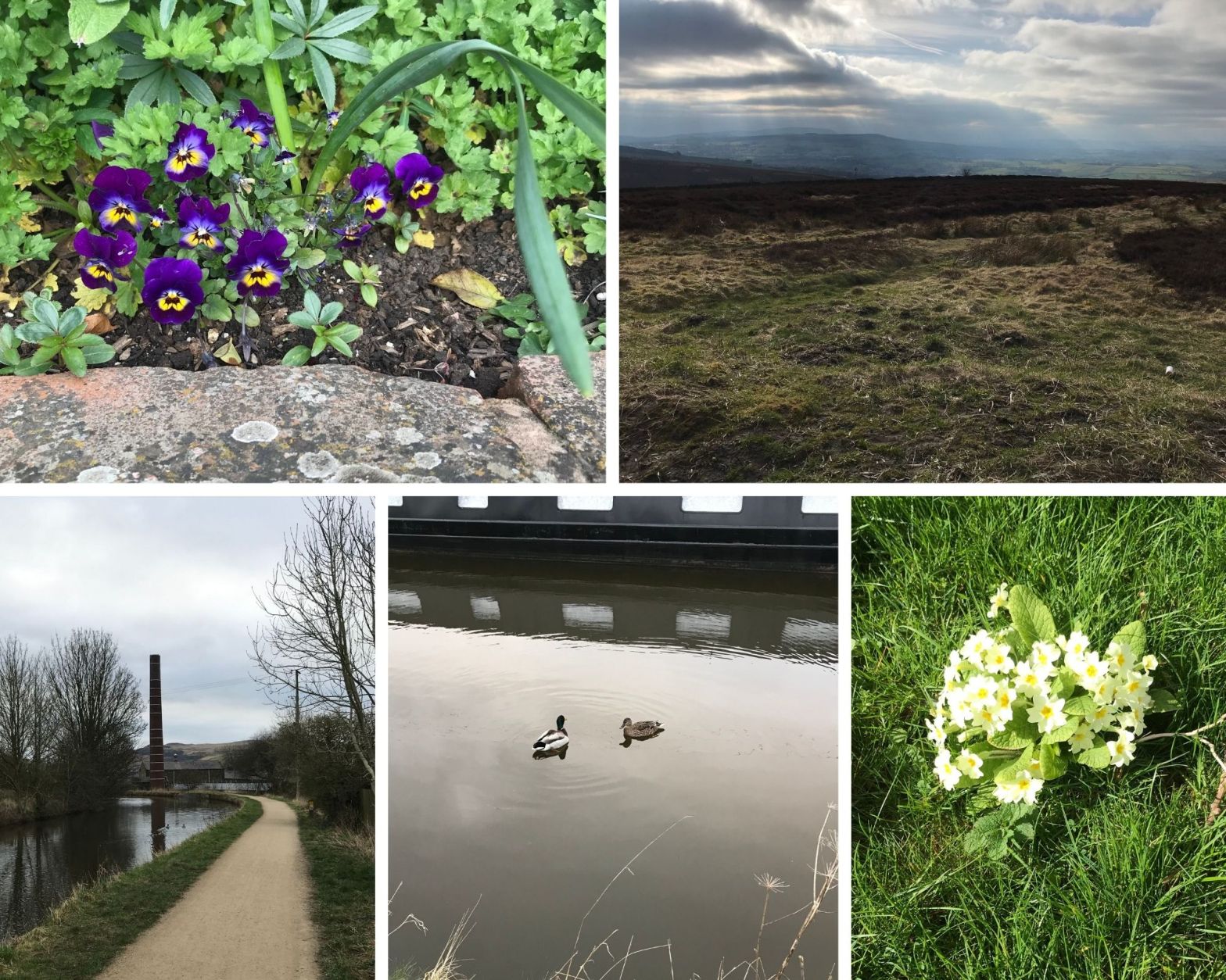
Luckily I found a lovely place to stay overnight in Skipton, Yorkshire. The landlady took good care of me and I’m so relieved I didn’t try to drive there and back in a day. Despite the comfort of the hotel, I didn’t sleep very well that night so I got up for a dawn walk along the canal. I’ve missed canal walks and I decided it was a moment of escape that I needed before the day ahead.
The swans were my first sighting on the canal. They moved elegantly alongside me for a little while. I also saw and heard other birds (goldfinches, ducks, buzzards, robins, wrens) and spotted lots of rabbits, sheep and lambs in the fields. Then, out of nowhere, I heard a high pitched call above me and some oystercatchers flew over and landed in the grass. I looked up, grinned and made a little squeaking sound – the sound I make when I spot something unexpected. It was a moment of pure, childish delight. A glimmer of sunshine in an otherwise dark and gloomy day. Such a small thing and yet it lifted a weight off my shoulders and gave me a break from the worry, anxiety and sadness of what was to come.
It was important for me to paint this moment and it inspired a piece that I worked on during the days following the funeral. I wanted to show how the oystercatcher emerged, out of nowhere, as a bit of light between the clouds.
Feeling Alive – the oystercatchers provided a glimmer of sunshine on a difficult day
I didn’t really want to turn around and walk back to Skipton but I knew I had to. Despite my worries, the next part of the day followed quite quickly and the funeral itself was lovely, especially given the circumstances. It was surreal in lots of ways too and I vividly remember that I accidentally snorted as I tried to stifle my sobs behind a mask – I really hoped that it hadn’t ruined the livestream… I was reassured later that it hadn’t.
We all had to disperse quite quickly once the service was over. I’ve learnt that time is important when you’re grieving so I’d already picked out a ‘safe place’ for me to go to, alone, before the drive home. Elslack Moor. It isn’t far from Skipton. The road climbs up to the top of the moor for about 5 minutes and then you’re there.
When I got there, I parked up at the side of the road, had a little moment to myself in the car and then put my walking boots on so I could go up the short track to the top of the moor. It gave me the time I needed to clear my head a little. While there, I saw red grouse, a kestrel and lapwings. It’s the lapwings that really stood out. I’d seen some of them by the canal in the morning but, up here, they were flying around, making their squeaking noise and having a whale of a time in the wind. I smiled at them on my way up and they were still there on my way down after I’d said goodbye to grandad.
This inspired another watercolour painting. A friend told me the other day that this one looks more peaceful. I think he’s right.
Saying Goodbye – inspired by Elslack Moor and its lapwings
I would just end with this. When you’re suddenly confronted by loss, I’ve realised that it can start to make you question what it means to be alive. You can become more aware of your own mortality and wonder what on earth we’re all here for. These thoughts and questions took me a little by surprise and I’m still working through them. But, something I learnt on the canal and the moor is that the little moment of joy when I spotted the oystercatchers and stopped to watch the lapwings soar up and down made me feel alive on that day.
Week 12* brought lighter evenings and a lot of warm weather. It definitely felt more like Spring and I loved it!
Highlights include: 🦋 Watching the butterflies enjoying the warm weather 🐥 Recapping my bird song lessons 🌸 Working out how to be a more eco-friendly gardener 🐊 Learning more about crocodiles and aestivation
Thank you for reading 😊
Monday 29th March 2021
I learnt a new word today. Aestivation. I was reading a chapter out of my book this morning and saw the word – bogong moths apparently ‘sit out the summer in a dormant condition known as aestivation: the summer equivalent of hibernation’ (D. Barrie, Incredible Journeys). After a quick google, I found this very helpful article that explained more. Aestivation is when animals in hot climates hibernate to avoid extreme heat or drought. Some crocodiles do this. Mugger crocodiles, for example, sometimes bury themselves, bringing their heart rate and breathing down in order to wait out the heat (as seen in this video). Who knew!
Tuesday 30th March 2021
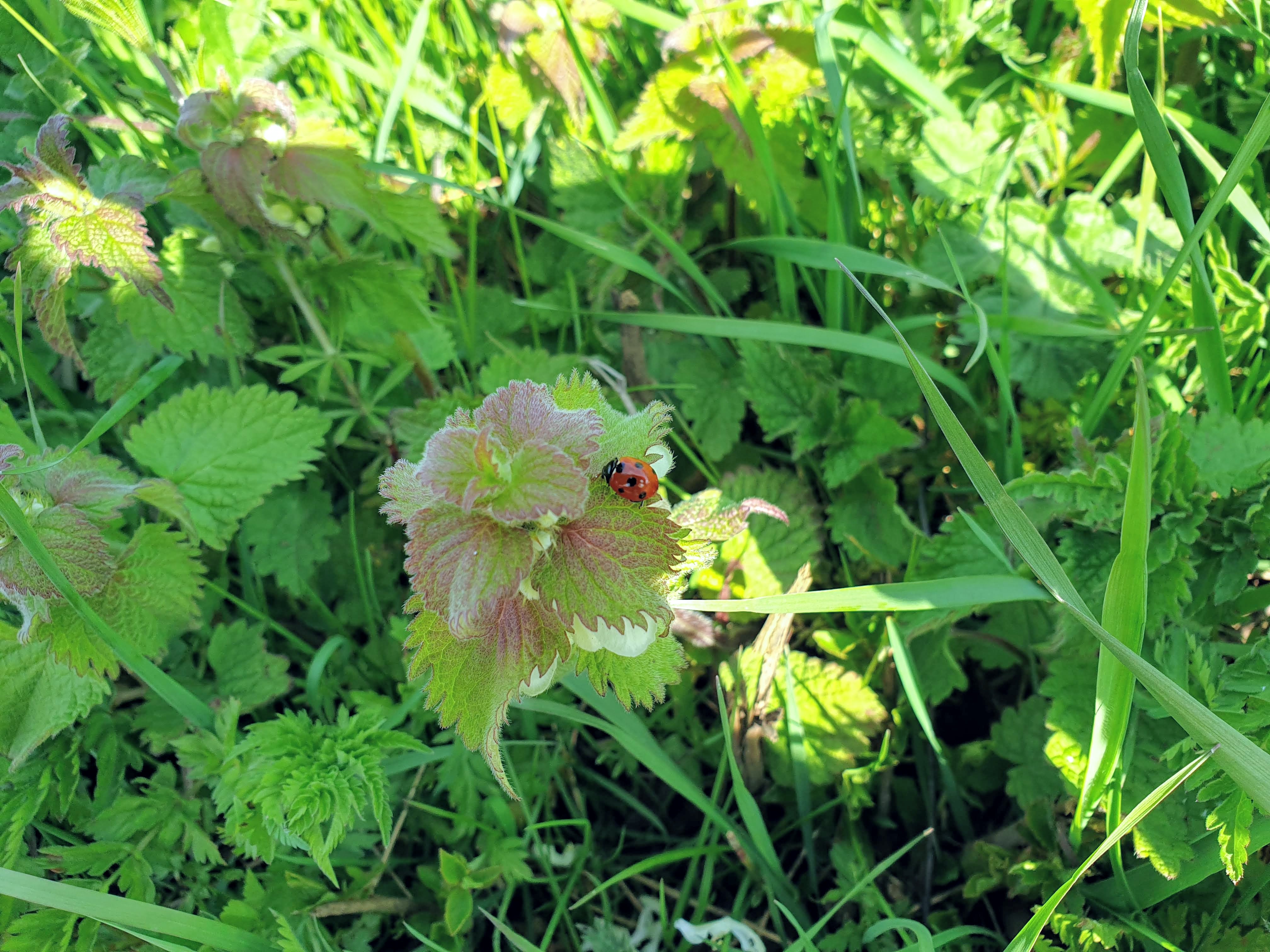
What a scorcher! I saw over the weekend that it was due to be a hot one today but it really was something else! Even when I went for a walk later on, it was still very toasty. My favourite wildlife spots on this walk were the butterflies – I saw a small tortoiseshell and a peacock butterfly. I also loved that loads of leaves on many of the trees had burst from their buds. I just hope ‘mother nature’ is kind and doesn’t suddenly freeze them all… I’m praying!
Wednesday 31st March 2021
About a year ago – when I first started this blog – I wrote quite a bit about wild onion. It was just ev-ery-where in the garden and my quest was to dig it all up. In truth, my battle with the wild onion became quite synonymous with ‘Lockdown 1’ so it’s quite fitting that this nemesis has reared its ugly head again. I’m pleased to say that our efforts paid off to some extent. The wild onion is not as prolific in the flower beds as last year. But, sadly, it has dominated a section of the lawn. So, this evening, after work, in the glorious unseasonable warmth, I got the trowel out, put on the gardening gloves and dug up as much as I could. Cats, it turns out, are a bit of a pain when you’re pulling up wild onion – that’s one lesson I hadn’t already learnt a year ago!
Thursday 1st April 2021
A collared dove painting from last year – just one of the many bird songs I’ve learnt!
I am craving some new Lucy Lapwing bird song lessons at the moment. I’ve watched them all now and I’ve realised I’m 100% bird nerd. So, while I wait for the next lesson, I decided today to recap the ones I’ve listened to so far:
1. Blackbird – sounds like an old man whistling at the bottom of the garden; lots of pauses 2. Robin – sounds like a child trying to copy a blackbird song 3. Wren – very loud; part of the song sounds like a ‘rattle’ or like the wren is being wound up like a toy and then let go 4. Song thrush – doesn’t know what it wants to sing; sounds similar to a blackbird at first; repeats the same type of sound 3-4 times, pauses and then moves on to another sound 5. Mistle thrush – sounds similar to a blackbird and song thrush but doesn’t pause as much; goes through the sounds quicker and is less happy about it 6. Chaffinch – change in notes during part of the song sounds like it’s moving down like a waterfall; this section of the song ends with a short ‘pthtttt’ noise (like it’s blowing a raspberry) 7. Great tit – difficult to identify; massive variety of noises and songs; one staple song (that’s easy to remember) sounds like ‘tea-cher tea-cher tea-cher’ 8. Wood pigeon – typical song has 5 ‘syllables’; sounds like ‘wood-pig-eon-PIG-EON’ 9. Collared dove – unlike wood pigeon, typical song has 3 ‘syllables’; sounds like ‘coll-ared-dove, coll-ared-dove’
All of them need some practice but I’m definitely making progress!
Friday 2nd April 2021
Some of our daffodils in the garden – my new challenge is to try and garden peat-free as much as possible
I learnt a bit about peat and gardening this morning. There was a BBC News article first thing that caught my eye – it said that only a tiny number of garden centres have made progress towards being peat-free. I have to confess, I had absolutely no idea that peat was so relied upon in the gardening world. As peat bogs are such valuable environments (from both a wildlife perspective and a carbon-sink-perspective) that can’t easily be restored, I kind of assumed that they’d be well protected but it turns out peat is in everything when it comes to gardening. After a good ol’ search on the internet, I managed to find some peat-free compost for my upcoming gardening antics but I have really struggled to find actual plants that haven’t been grown in peat compost. Honestly, I am shocked by this.
Saturday 3rd April 2021
RSPB Pocket Guide to British Birds (2012)
I saw a friend for the first time in months today and it was my absolute pleasure to take him on one of my local walks around Shipston. He was keen to know what on earth a chiffchaff sounds like and they offered a real t-reat today – we heard loads of them. Another treat was the cormorant that flew around and landed in a tree by the river too. It was perfectly silhouetted against the sky while it had a little chill.
Sunday 4th April 2021
It was another lovely day today and I’m pleased to say that I don’t think ‘mother nature’ has destroyed the wildlife that’s been enjoying the warm weather just yet. My partner and I went for a walk in the sunshine and spotted a bird of prey on the way back that was circling overhead. It looked too small for a buzzard so I had a little look at this article about birds of prey. After reading this, I’m wondering if what we saw was a sparrowhawk… but it might have been a kestrel… I need to get better at this!
*For anyone new to my blog, let me explain a bit more about what these posts are about. Every week I share a summary of my daily ‘acts of wildness’. This wildlife challenge was inspired by ’30 Days Wild’and ’12 Days Wild’ from The Wildlife Trusts. The ‘356’ isn’t a typo – typically, I only thought about doing this after 2021 had already started so I won’t be able to do a full year this time. Next year will be different though! Thank you and I hope you’ve enjoyed the post!
It’s been a challenging week. It was always going to be and, writing this at the end of the week, I can say that I feel much better than I did at the start.
Although it’s been tough, I still wanted to write down my wild encounters because, as cliche as it sounds, they really did help. Thank you for all the warm wishes and thank you for reading.
Monday 22nd March 2021
I had to travel up to Skipton in Yorkshire today. Thankfully, overnight stops in hotels are allowed for people attending funerals. Though I wish I was visiting in happier circumstances, I’d be lying if I said I wasn’t looking forward to seeing some of the Dales.
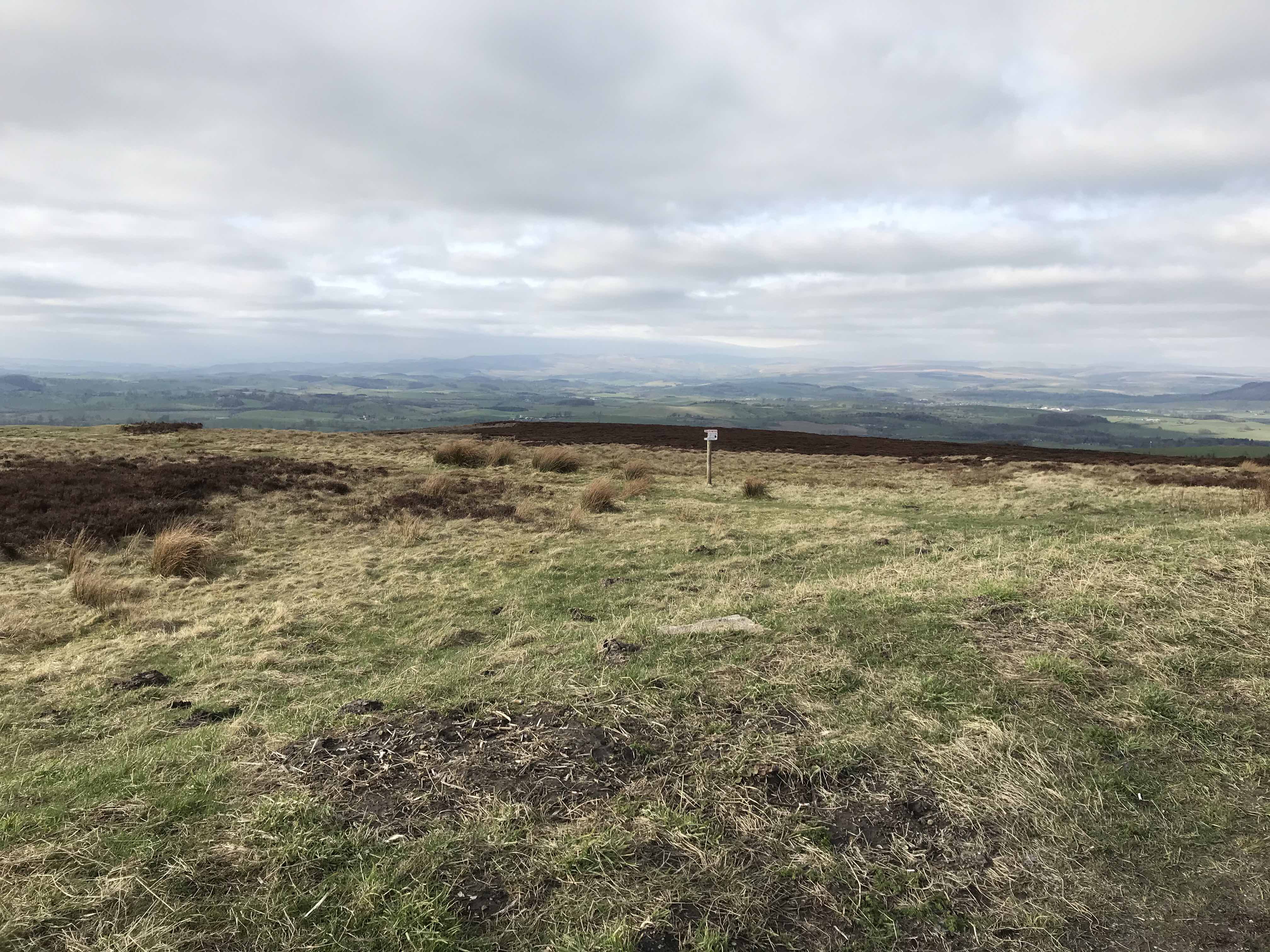
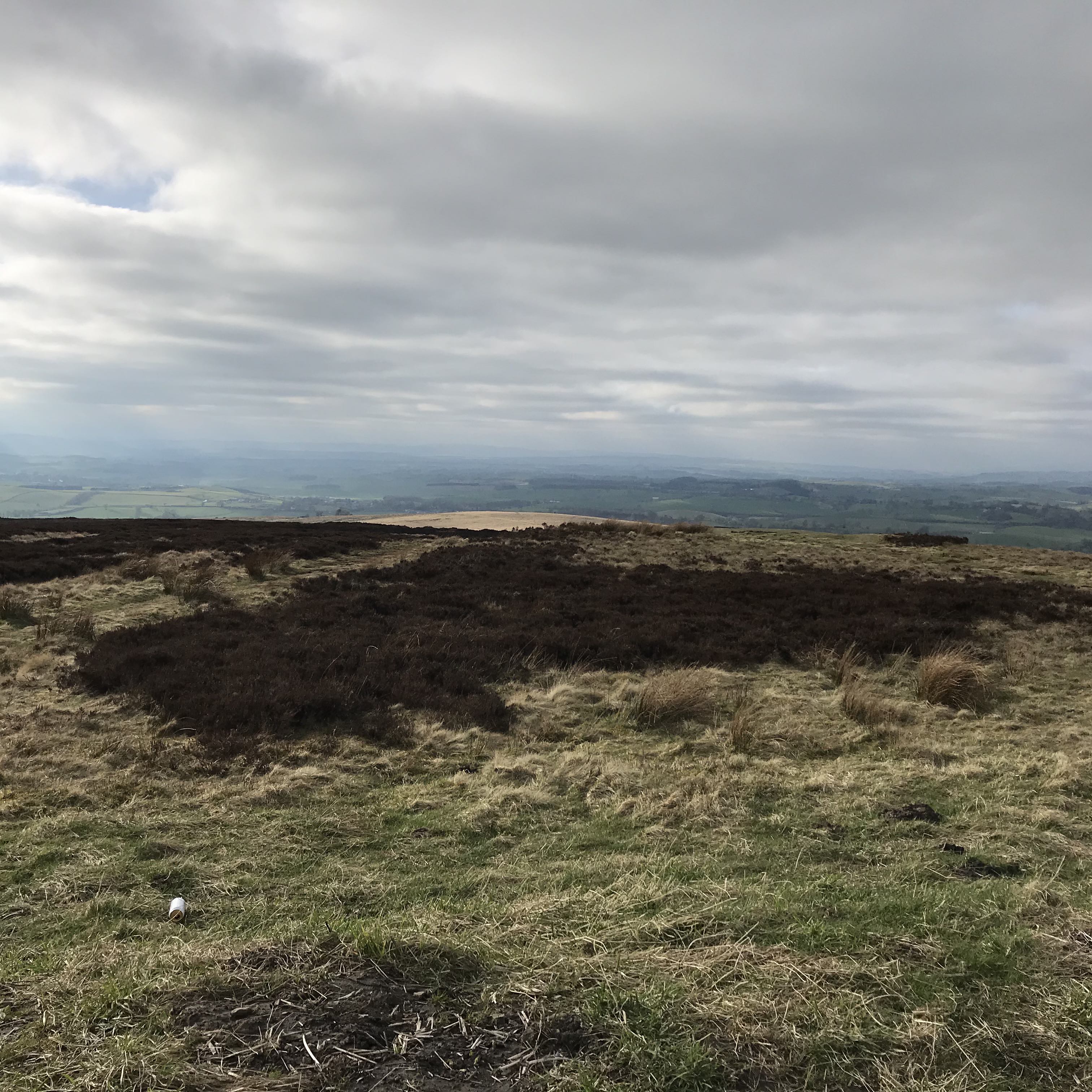
On my way up, not far from Skipton, I decided to stop off. I picked a spot that I know quite well, at the top of Elslack moor. Elslack is a very small village about 10 minutes away from Skipton and it sits at the bottom of very hilly moorland. I stopped so I could take in the views and have a moment to myself before I took my next steps. The photos were taken before I carried on my journey to the hotel.
Tuesday 23rd March 2021
There’s a little bit more to say about today. It was the day we said goodbye to Grandad.
I didn’t sleep very well and decided to set off on an early walk so I could have some time alone. It was a little moment of escape that I felt I needed. I got up at 6.15am and headed out.
The Leeds-Liverpool Canal runs through Skipton and as soon as I joined it and headed west (towards Liverpool), I saw all manner of wildlife. It started with a couple of swans who moved elegantly alongside me on the water. I also saw lots of mallards – especially males – blue tits, great tits, wrens, robins and blackbirds. The beautiful songs of goldfinches and a thrush also comforted me as I thought about the day ahead.
Away from the water, I couldn’t believe how many rabbits were in the fields. They were jumping and running about here there and everywhere. And then there were the little lambs. At one point, some canada geese took flight from the canal and swooshed overhead and a couple of buzzards were circling too.
There were also a couple of special highlights. I heard an odd, high pitched noise above me and looked up to see a couple of birds flying over. I realised they were oystercatchers. I hadn’t seen oystercatchers since being by the sea in Harlech (Wales) last year. A little further up, I heard another odd noise. This time, the sound/s belonged to a small group of lapwings in a field. I’m not sure when I last saw lapwings. My Grandad would’ve loved to see them too.
Later in the day, it wasn’t possible to stick around for long after the funeral and I couldn’t drive the three hours home straight away. So I headed up Elslack moor again. I parked up, had a moment to myself and then put my walking boots on and headed up Pinhaw Beacon – basically the top of the moor. There were more lapwings up here and lots of red grouse too. When I got to the top, I took in the view and thought about my Grandad. It was here that I said goodbye to him. It couldn’t have been a better place.
Wednesday 24th March 2021
I didn’t have a lot of opportunity to properly reflect yesterday. The 23rd marked a year since the first Covid-19 lockdown was announced in the UK. So I took a moment to think about the loss I’ve experienced and the worry for loved ones. I also thought about the loss others have experienced, whether that be directly from the disease or in other ways. Plans that have been postponed and things we always took for granted being stopped or put on hold. I thought about how surreal it is that not hugging family members in times of grief is now the way we do things. So unbearable and yet completely necessary.
I reflected on all of these things on a local walk in Shipston. The walk helped me remember some of the better moments as well. Like seeing the first snowdrops of the year in my local area – something I’d never experienced or appreciated before. Or like spotting a chiffchaff in the trees this morning. Finally giving a face to a name (to passers-by, I was probably a bit too excited). It’s a cliche but the small things really are important.
Thursday 25th March 2021
I definitely felt a bit more like myself today. It’s small steps but I’m getting there and I made the most of the sunshine this afternoon by heading out for a longer walk. I really enjoyed seeing so many flowers on my ramble. The daffodils were beautiful, as were the pansies. A lovely patch of primroses also caught my eye. I read about primroses a little earlier in the week in BBC Wildlife Magazine (April 2021). Apparently primrose flowers can take one of two forms. Some primrose plants have flowers with a small green disc in the centre and others have flowers with a ‘dusty cluster’ instead. The male and female parts of these flowers are arranged in slightly different ways which helps with cross-fertilisation when bees and other insects visit them.
Friday 26th March 2021
I decided to take a leaf out of The Well Gardened Mind book today and started planning a few things for the garden. We don’t have a very big garden and quite a few plants already call the space their home. We also don’t get much sunlight on that side of the house – usually only first thing in the morning until early afternoon. So I feel a little bit limited in how much I can plant or change. That said, I found some useful advice from The Wildlife Trusts and have bought some hanging pots to put up on the fence. I can’t wait to get some flowers for them!
Saturday 27th March 2021
Screenshot of the Leamington peregrine falcon webcam
I’ve spied a few posts about a peregrine falcon pair in Leamington recently. I remember this pair from last year but I didn’t really follow many updates about them so I thought I’d check them out properly today. Warwickshire Wildlife Trust has a live webcam set up at the top of Leamington Spa Town Hall so people can see their nest. I had a little look and saw one of the peregrines – I think it was the female – sat on the clutch of eggs. Apparently the third egg was laid just a couple of hours before I tuned in. The third is usually the penultimate egg and, according to these handy FAQs, the peregrines don’t incubate the early eggs immediately because they could develop too quickly. By waiting until the next-to-last-egg has been laid, all of the eggs should hatch on the same day. I think I’ll be keeping more of an eye on their twitter account this year!
Sunday 28th March 2021
I’ve been working on a few art pieces this week but they deserve their own post so I’ll save them for another time. Instead, today’s ‘act of wildness’ was listening to a podcast about the white stork project on the Knepp Estate. The aim is to have at least 50 breeding pairs in southern England by 2030. It sounds like an amazing rewilding project. The podcast was recorded last year sometime but it looks like the storks are doing well again in 2021 – apparently one was even spotted checking out a Gloucestershire farm earlier in the month!
Week 10 already! Where on earth is the time going?!
Though it’s been a bit on the dull side weather-wise this week, having some consistent, dry days has been appreciated. It makes walking in the mornings and evenings so much more enjoyable and it meant I didn’t have to relearn any lessons about staying dry (or getting wet!) from last week!
Highlights this week include: 🌿 Enjoying more of the sights and sounds of the countryside 🌷 Learning more about the garden and wellbeing 🐥 Getting to know some more bird songs 🦋 Spotting my first butterflies of the year!
I had a nice walk in the evening sunshine today. Rather than go on the roads, I decided to chance the meadow – it’s been a lot less muddy through the fields recently. It was a nice way to end the day and clear my head. There were a couple of (very noisy!) standout moments on the walk:
1) The fieldfares yapping away in a tree by the River Stour. 2) The very loud rooks squawking away at the top of Honington (see video!)
Tuesday 16th March 2021
Clematis armandii
I’ve been making sure to water the garden more these days and I’ve noticed that one of our creepers has started to flower. This will be our second spring in this house so I don’t feel I know all of the plants properly yet. I’ve definitely looked this creeper up before but I always forget so I had another little google today. Apparently it’s a Clematis armandii and it flowers from March to April.
Wednesday 17th March 2021
It was time for another encounter with Lucy Lapwing today. The bird song lessons I listened to today were the: wren, song thrush and mistle thrush. I found the wren lesson particularly useful. I have 100% heard this call in the hedgerows on walks but I hadn’t realised for a second that it was a wren. It’s such a loud song and, at 7-12g in weight, it apparently has the highest decibel:gram ratio of any bird!
Thursday 18th March 2021
The Well Gardened Mind, Sue Stuart-Smith
I picked up a book today that’s been sitting on my shelf for quite a while. I’m a slow reader but I do enjoy a good book so the house is full of books that I haven’t gotten around to yet. This book was given to me by a very close friend. It’s called The Well Gardened Mind: Rediscovering Nature in the Modern World and it’s by a psychiatrist/psychotherapist called Sue Stuart-Smith.
As soon as I started reading the first couple of pages, I realised how poignant this moment was. Within the first few paragraphs, Stuart-Smith spoke about loss and grief, along with the benefits of gardening on mental health and wellbeing. It goes without saying that it really resonated with me. So I’m looking forward to reading more of her stories and putting some of her advice into practice.
Friday 19th March 2021
I drew my very own ‘frantic pheasant’ last year!
Another walk today and this one was all about the frantic pheasants. I saw a very large male pheasant with three females in one field and then saw a male and female glide out of a bit of scrubland near the river in Honington. The first four were actually reasonably calm but I think that’s because I approached very quietly. I wanted to try and take a photo without them scrambling away.
The other pair, though. Well, what can I say. I was absolutely nowhere near them. No one was. They were on a bit of land away from the road that doesn’t have public access. So I’m not sure what spooked them. I heard them first – the male letting out his bizarre cry – and then swoooosh, they glided straight across the river over a bit of field and straight into the middle of the road. If they were trying to avoid my attention, they didn’t do a good job. Why pheasants. Just why.
Saturday 20th March 2021
I just had to share photos of some lambs today. We spotted these while walking south out of Shipston to a little village called Burmington. They were very close to the gate and looked like they were going to run off as soon as we started to approach. But they just didn’t want to stop playing on the gravel! Some of them looked pretty young as well. Very cute!
Sunday 21st March 2021
Catkins from a goat willow (I think!)
I found this furry catkin on another walk today. I’ve written about catkins before and I think I know my alders and my hazels now. But I didn’t have a clue about this one – it was so furry and the tree was absolutely brimming with them. After a little bit of research, I think this catkin is from a goat willow. The male catkins of this tree are silvery-grey at first and then turn yellow when ripe – I think that’s what this little guy was doing before he fell to the floor!
Oh and just as a side note to finish the week, I saw two brimstone butterflies this morning on the way back from our walk. Their beautiful yellow wings are another sign of warmer days and brighter skies!
Well, I feel like I’ve learnt quite a few things this week:
1) Grief can sometimes play tricks on you. 2) If your phone tells you there’s an 80% chance of heavy rain and you go out for a walk because you think you know better, be prepared to get wet. 3) I think I’m now starting to truly understand the benefits of my wildlife challenge on wellbeing.
Let me explain number 3 a bit more. I’ve written before about how much I enjoyed the wildlife challenges that The Wildlife Trusts encouraged last year. For those of you who are new to my blog, ’30 Days Wild’ and ’12 Days Wild’ were the inspiration behind my own almost-year-long-challenge – it’ll be a full year next year!
I felt, though, that whilst I had worked hard to bring nature and wildlife into my everyday life for these periods of time, I struggled to keep it up as soon as the challenge ended. So my own ‘wild challenge’ this year was about embedding wildlife and nature into my lifestyle. That’s why some of the ‘daily acts of wildness’ are quite small, like reading a chapter in a book or looking up some information about an animal or plant.
Following my family’s recent bereavement – and even before that, if I’m honest – there have been good days and bad days. Despite the upbeat tone that I hope my posts usually convey, we all have days where we sometimes wonder what the point is of getting up. I hope that’s not too uncomfortable for anyone to hear, but I think it’s important for me to share that.
So, as I work my way through these feelings, having something to focus on and brighten up the day has really helped. Even on bad days, it’s felt like an achievement to drag myself out for a walk, spend some time in the garden, do a little painting of a bird, or read a bit about an animal I don’t know much about. I never realised documenting this challenge would be so important.
Monday 8th March 2021
It was time for another jog this morning. I went out to Tidmington again and did around a 6km loop (not all running!) There’s a little road that I love going up on this route. My partner and I often walk this way and there are always birds to see. Today, I saw plenty of garden birds (robins, blackbirds, blue tits, great tits) and spotted a couple of rabbits too.
Tuesday 9th March 2021
Yesterday ended up being a bit of a day… Lesson number 1 was learnt. You see, I thought one of my cats was seriously unwell when, in reality, at worst he probably had a furball. He’s absolutely fine but grieving definitely skewed my faculties!
Anyway, I headed out for a walk towards the end of the day to try and make the most of what was left of the sunshine. I was lucky with my birds today. I spotted two green woodpeckers, a heron, plenty of goldfinches, great tits, robins, a couple of ducks (let’s say they were mallards – most likely candidates!) and a buzzard. I only saw the buzzard from a distance. She was perched in a tree, looking out over the fields. I love it when buzzards do that. They always look so majestic.
I’ve been reading some more chapters of Incredible Journeys over the past few days. An excellent aspect of the book is that it covers the journeys of a range of different animals, including insects and mammals. It made me think of some red admiral butterflies that I remember seeing when I was on a boat going to Bardsey Island in Wales last August. I thought it was odd to see butterflies on a boat, crossing the sea, but it turns out that this isn’t particularly unusual at all. When we were on the island there were loads of red admirals too and it turns out they travel a lot further than that to get to us each summer – they come all the way from North Africa!
Thursday 11th March 2021
The hyacinth is going strong in the garden!
Today was quite busy at work so I took breaks where I could. Breaks usually involve visiting the cats in ‘their room’ downstairs and encouraging them out into the garden when the weather’s nice. I definitely need to start doing a bit more in the garden, but, for now, I enjoyed spending some time admiring a hyacinth in the sunshine.
Friday 12th March 2021
Lesson 2 was learnt this morning. I woke up and had an itching to go for a walk. To my dismay, BBC weather told me that there was an 80% chance of rain. I looked outside, saw it wasn’t raining yet and decided to go out. I was about halfway through the walk when the heavens opened. Despite my optimism, I’d decided to wear a raincoat so I wasn’t totally unprepared for the downpour, but being pummelled by the wind and rain at 8am wasn’t exactly what I’d call pleasant…! That said, what could make you feel more alive on a Friday morning than getting as drenched as a drowned rat?
Saturday 13th March 2021
I spent a few minutes today reading through an online article about wildlife to spot in March. I’ve seen a couple of bee-looking-things buzzing around recently and I’m now wondering whether some of them could have been dark-edged bee-flies (the first mention in the article). Didn’t even realise such an insect existed! The chiff chaff, song thrush and yellow hammer also got shout-outs – I always love seeing/hearing these birds – and so did the pheasant and the common toad. As for gannets, well, I’d love to see them sometime!
Sunday 14th March 2021
Green woodpecker watercolour
Green woodpeckers treat me so regularly on my walks around Shipston – and Warwickshire more broadly – so I decided it was time to do another piece of art focusing on this bird. I drew quite a basic picture of a green woodpecker last year so I opted for watercolours this time. It was a bit of a weekend project and I made sure to take my time. It might still need a few little tweaks but it was such a pleasure to paint her.
Week 8 was very up and down but I’m glad I was able to squeeze in some wildlife to brighten up the days. Thank you for reading x
Monday 1st March 2021
Such an interesting read!
I’m reading a new book at the moment called Incredible Journeys: Exploring the Wonders of Animal Navigation by David Barrie. It gives a bit of an overview of the range of different – and incredible – journeys that animals make. Today, I read a small section about the bar-tailed godwit, or, rather, a particular bar-tailed godwit that had made a particularly incredible journey! You see, one of these birds had been tracked in 2009 flying non-stop across the Pacific Ocean from Alaska to New Zealand. That’s 11,680km. And it did that journey in 8 days. Mind. Blown.
Tuesday 2nd March 2021
I’ve started to get excited again about the prospect of seeing new places and we have a provisional plan to walk the entire length of the Kennet and Avon canal in August. We’ll start in Reading and walk 80-odd miles to Bristol at the other end, covering about 10-12 miles per day, apart from on a couple of longer days!
So, this afternoon, I decided to dig a bit deeper into the sorts of wildlife we might see on this canal adventure. I really do love walking along canals. The town I grew up in sits alongside the Leeds & Liverpool Canal and we’ve seen all sorts on there in the past, including kingfishers and mandarin ducks! An old newspaper article from 2010 noted that wildlife had ‘soared’ along the Wiltshire stretch of the canal and that sightings had included otters and water voles. I’d love to see an otter!
Wednesday 3rd March 2021
I started watching the BBC’s new documentary called Attenborough’s Life in Colour this evening. If you haven’t seen it yet then I’d highly recommend! Seeing the scarlet macaws in the first episode was quite a highlight. It made me a bit sad because we were hoping to see these birds during a planned trip to Peru that got cancelled last year, but, it’s definitely still something to look forward to!
Thursday 4th March 2021
A good excuse to reshare this chaffinch watercolour…!
I got introduced to something brilliant today: Lucy Lapwing birdsong lessons! I’m doing quite well at teaching myself bird sounds and songs but ‘Lucy Lapwing’ really brings bird songs to life. Her tips and tricks for remembering songs are fun and memorable. I only watched her introduction, blackbird and chaffinch videos so far but I’m definitely going to listen to more. Her tip for remembering a blackbird’s song is that it sounds like an old man whistling away at the bottom of the garden without a care in the world. For the chaffinch, the way it goes down in pitch reminds her of a waterfall.
I received some sad news about a family member today. Though it wasn’t unexpected, these things are always difficult to accept and process. Particularly in these circumstances. The day was quite a blur and, as you can imagine, my wild challenge was not at the forefront of my mind. That said, my grandad and I shared a love of birds and a love of painting. I thought about that a lot today. And, right now, birds are helping me through the first stages of grief.
Saturday 6th March 2021
More information about the willow tit in RSPB Pocket Guide to British Birds
I wasn’t able to get a lot of wildlife into the day today, but I spotted something earlier in a recent Warwickshire Wildlife Trust update which was quite interesting. It was about a willow tit project in the West Midlands. I know very little about these birds. I didn’t even realise you could get them in the West Midlands! According the project outline, willow tit numbers have declined by 94% since 1970. That’s difficult to comprehend.
Sunday 7th March 2021
I enjoyed an evening walk as the sun was setting today. It’s been a difficult few days and I imagine it will be hard for a bit longer, but having a wander, taking in the sunset and looking out for the birds enjoying dusk on this fine March evening – mainly blackbirds! – helped to clear my mind and get ready for another week.










 Ramblings of a (very!) amateur artist